



When people talk about maternal mortality in Africa, the conversation often centres on statistics. But behind every number is a woman, a family and a health system that either worked – or failed.




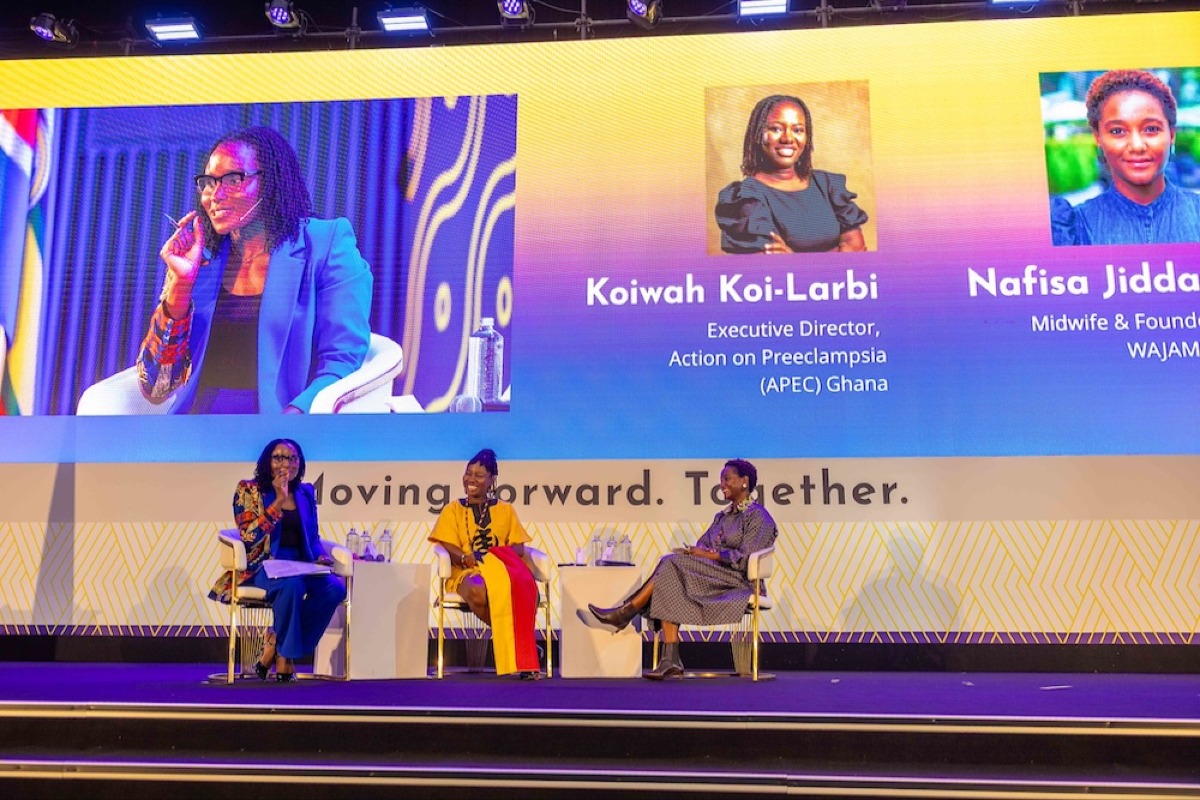
When people talk about maternal mortality in Africa, the conversation often centres on statistics. But behind every number is a woman, a family and a health system that either worked – or failed.
I know this because I have lived it.
I am a survivor of pre-eclampsia, eclampsia and HELLP syndrome. Across multiple pregnancies, I experienced emergency deliveries, premature births and the loss of my babies. One of my daughters, Baby Grace, died after being born prematurely at 30 weeks. A critical medicine that could have improved her chances of survival was not immediately available at the hospital where she was being treated.
These experiences forced me to confront an uncomfortable reality: for too many women, maternal healthcare outcomes still depend on geography, income and luck.
That is why I founded Action on Pre-eclampsia Ghana almost eight years ago – to ensure women have access to information, support and advocacy that simply did not exist when I was searching for answers.
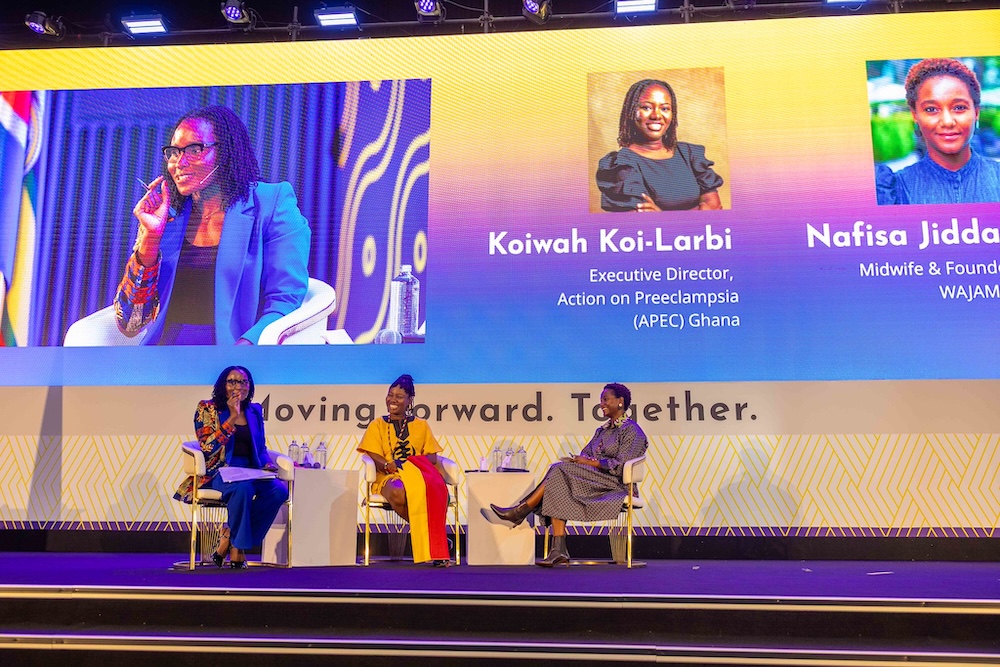
On World Pre-eclampsia Day (22 May 2026), we need to move beyond awareness alone and ask a more urgent question: why are women still dying from a condition that can often be detected and managed?
Pre-eclampsia is one of the leading causes of maternal and newborn deaths worldwide, yet in many low- and middle-income countries it remains poorly understood, under-prioritised and inconsistently managed.
In Ghana and across much of Africa, many women are still not routinely educated about the warning signs during antenatal care. Some only hear about pre-eclampsia after they have already developed complications.
At the same time, healthcare systems continue to struggle with shortages of essential medicines, weak referral systems, overstretched facilities and major inequalities in access to care.
Economic pressures also shape decisions long before a woman reaches a hospital. Women may delay antenatal visits because of transport costs, distance or out-of-pocket expenses for tests and medication. Others seek care late because symptoms are dismissed, misunderstood or influenced by cultural and religious beliefs.
None of these factors exist in isolation. Together, they create conditions where preventable complications become medical emergencies.
One of the hardest truths for me personally is knowing that I survived partly because I had opportunities that many women do not.
During one pregnancy, I was able to travel abroad for specialist care and successfully deliver my daughter. Most women in Ghana will never have that option.
The reality is that too many women are navigating pregnancy in systems that are not adequately prepared for high-risk care. A woman should not arrive at a hospital only to discover that critical medicines are unavailable, specialist teams are not coordinated, or neonatal units are under-resourced.
Maternal healthcare cannot become a system where survival is determined by who can afford it.
Safe motherhood is a right, not a privilege.
United Nations Population Fund (UNFPA)
We do not lack evidence on maternal mortality. In many countries, audits and reviews already identify the gaps and produce recommendations. The bigger challenge is implementation.
Governments, policymakers and global health partners need to accelerate action in four key areas.
First, maternal and newborn healthcare must be prioritised politically and financially, including stronger investment in primary healthcare systems and emergency obstetric care.
Second, essential medicines, diagnostics and neonatal care commodities must be consistently available and affordable, particularly in public hospitals.
Third, health systems need better coordination – from antenatal care to referral systems to neonatal intensive care – so women and babies do not fall through dangerous gaps.
Finally, women’s voices must be central to policymaking. Too often, maternal health policies are designed without listening to the people most affected by them.
Where you live still determines whether you will live.
Dr. Samantha Knipe, Stellenbosch University, South Africa
Women should not have to “manage” poor-quality care because it has become normalised. They should be able to expect respectful, evidence-based and timely treatment as a basic standard.
That also means empowering women with knowledge about their health and their rights. Patients must feel able to ask questions, recognise warning signs and demand quality care.
World Pre-eclampsia Day is an opportunity to raise awareness, but awareness alone is not enough. We need stronger systems, stronger accountability and a greater sense of urgency.
Too many women are still dying from conditions we know how to manage. That should concern all of us.
Unitaid has invested more than US$50 million to introduce and scale up existing interventions and emerging innovations to ensure pregnant women in low- and middle-income countries receive timely detection and treatment for preeclampsia and anemia. These include tools such as low-dose aspirin to prevent preeclampsia, blood-pressure screening devices, anemia diagnostics and treatments like intravenous iron.
Zambia's SCALE-IT project trains community health workers to deliver lenacapavir, a 6-month HIV-prev...
Read More
TB care still misses vulnerable groups due to stigma, access gaps, and weak systems. Experts highlig...
Read More
Accelerating action for women’s health requires innovation, equity, and community leadership to addr...
Read More
Leave a Comment
Your comment will be visible once approved by our moderators.