




Contact Info

Social Links

 Closer to home: taking long-acting HIV prevention into Zambia’s communities

Closer to home: taking long-acting HIV prevention into Zambia’s communities

Lenacapavir, a twice-yearly injection, represents the most significant advance in HIV prevention in decades. In Zambia, a Unitaid-funded project is redefining HIV prevention with community health workers bringing long-acting injectable protection outside traditional health facilities.
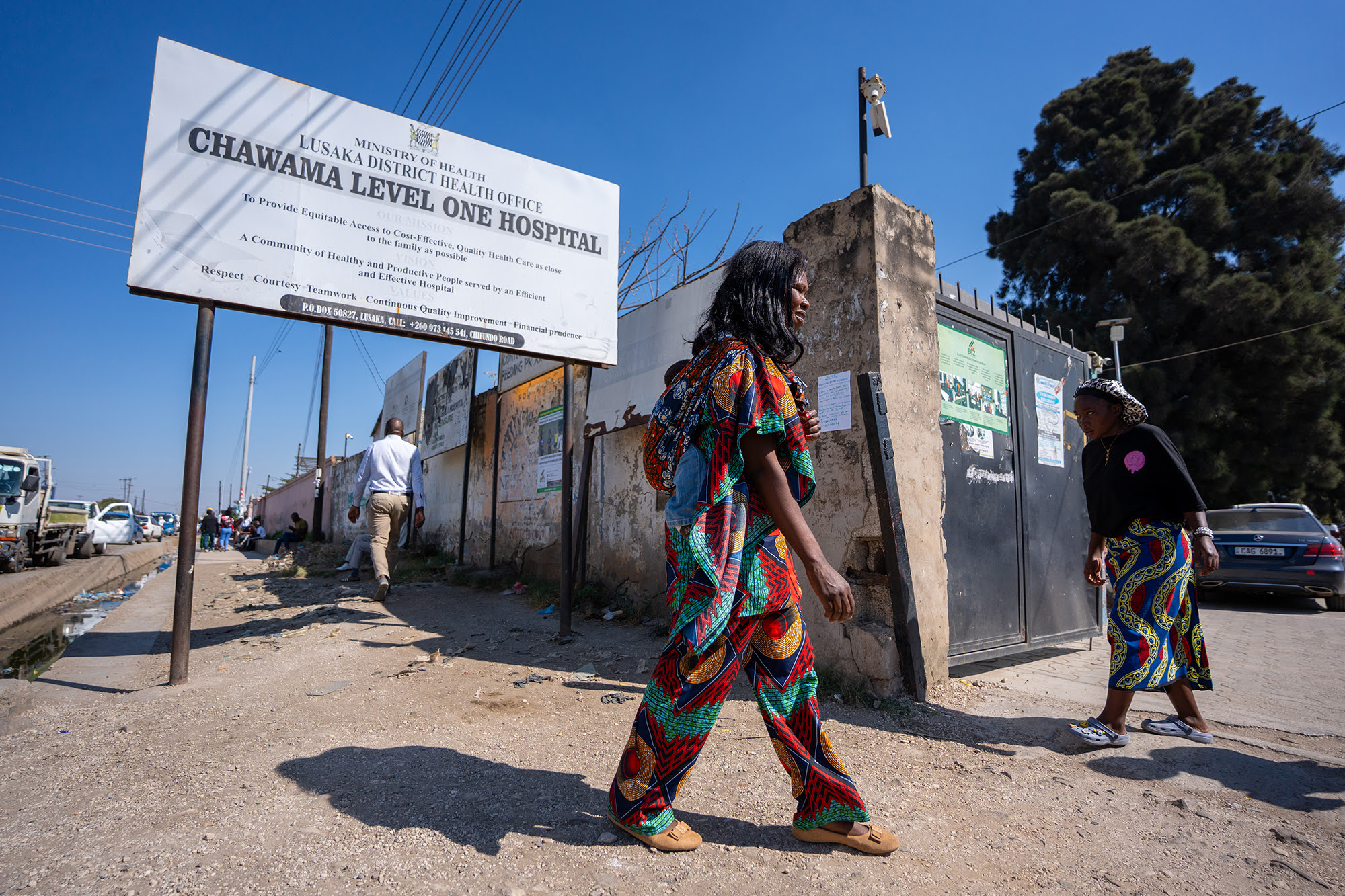
mother arrives at Chawama First Level Hospital in Lusaka, one of the facility hubs from which SCALE-IT carries HIV prevention out into the surrounding community. Photo: Unitaid / Luke Katemba

On a busy morning in Chawama, one of Lusaka’s most crowded townships, Hawa Mbewe is not waiting behind a desk for clients to come to her. She is out among the market stalls and along the lanes between houses, looking for the women and young people the health system most often struggles to reach.

As a community-based volunteer, Hawa’s work begins where most clinics stop. Out in community settings, she tests pregnant and breastfeeding mothers, talks with people about how to protect themselves from HIV, and brings them into care. What she is able to offer now is something new: lenacapavir, a long-acting injectable that protects against HIV for six months at a time.

“I meet my clients some in the bars, some in the market, some at their homes,” she says.

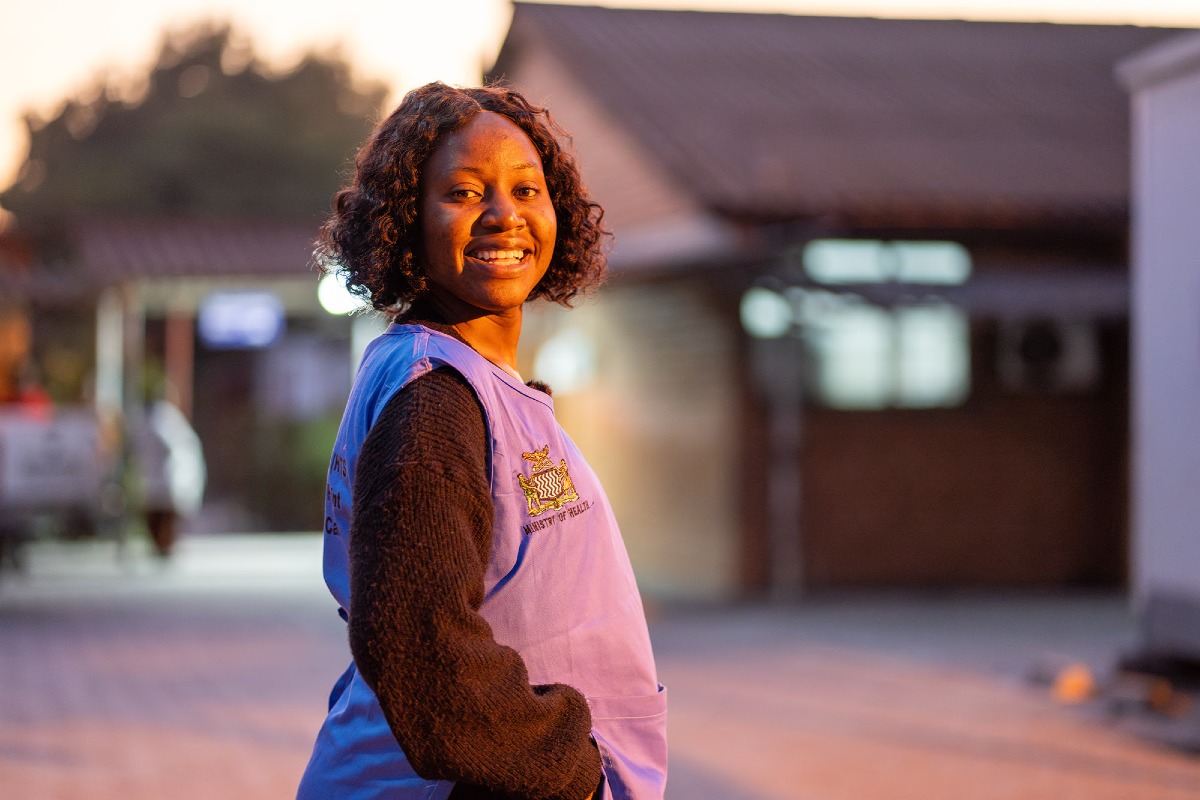
Hawa Mbewe, a community-based volunteer who brings HIV prevention to people where they live, in the markets, homes and bars of Chawama. Photo: Unitaid / Luke Katemba

For Dr. Adamson Paxon Ndhlovu at the University Teaching Hospital in Lusaka, reaching people outside the clinic is not a matter of convenience. It is the difference between a prevention tool that exists and one that actually reaches the people who need it. The new initiative he manages, SCALE-IT Zambia, is a partnership between Unitaid and Zambia’s Ministry of Health (MoH), implemented by the University Teaching Hospital HIV/AIDS Program (UTH-HAP). It is extending the government’s own efforts to get lenacapavir to the people most at risk, some of whom face stigma and, in some cases, criminalization that can make a clinic visit feel unsafe

“HIV prevention takes a lot of convincing,” he says. “These are healthy people who may not see the value outright. And when they do go to a facility, they find long queues, because most facilities are congested with people seeking treatment for various diseases. That has been one of the things putting people off.”


Leave a Comment

Related Stories

Pre-eclampsia is still killing women. We need to stop treating it as inevitable

A pre-eclampsia survivor shares her journey and calls for stronger maternal healthcare systems to pr...

Read More

Accelerating Action for Women’s Health: Innovation, Equity, and Community Leadership

Accelerating action for women’s health requires innovation, equity, and community leadership to addr...

Read More