



Tuberculosis (TB) does not discriminate. But for too long, the global response has – leaving some of the most vulnerable and hardest-to-reach populations systematically neglected.




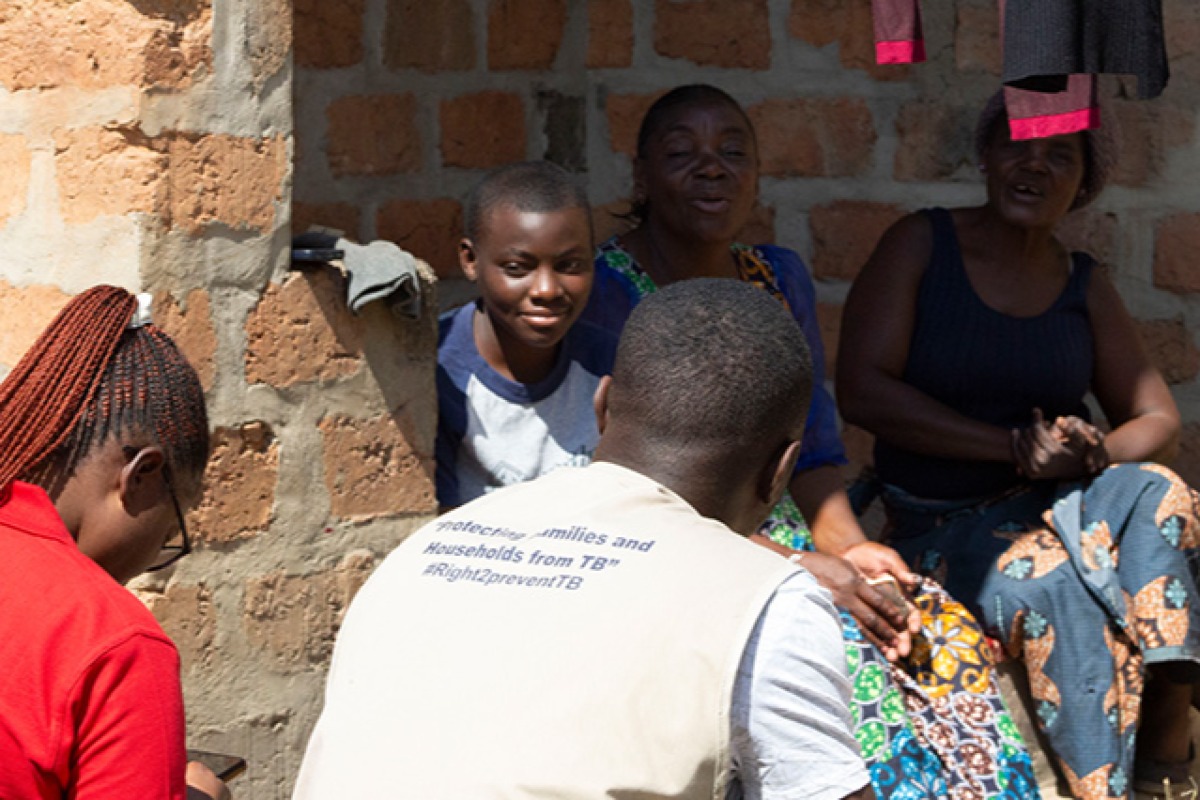
Tuberculosis (TB) does not discriminate. But for too long, the global response has – leaving some of the most vulnerable and hardest-to-reach populations systematically neglected.
This gap reflects a structural failure in global health research and development (R&D). Clinical trials are not designed with all population groups in mind, and the tools, services and guidance needed to reach everyone else often arrive only years later, if at all. The barriers extend beyond R&D: stigma prevents people from seeking care, health systems are not always equipped to reach remote or marginalized communities, and TB services often fail to account for the realities of people’s lives.
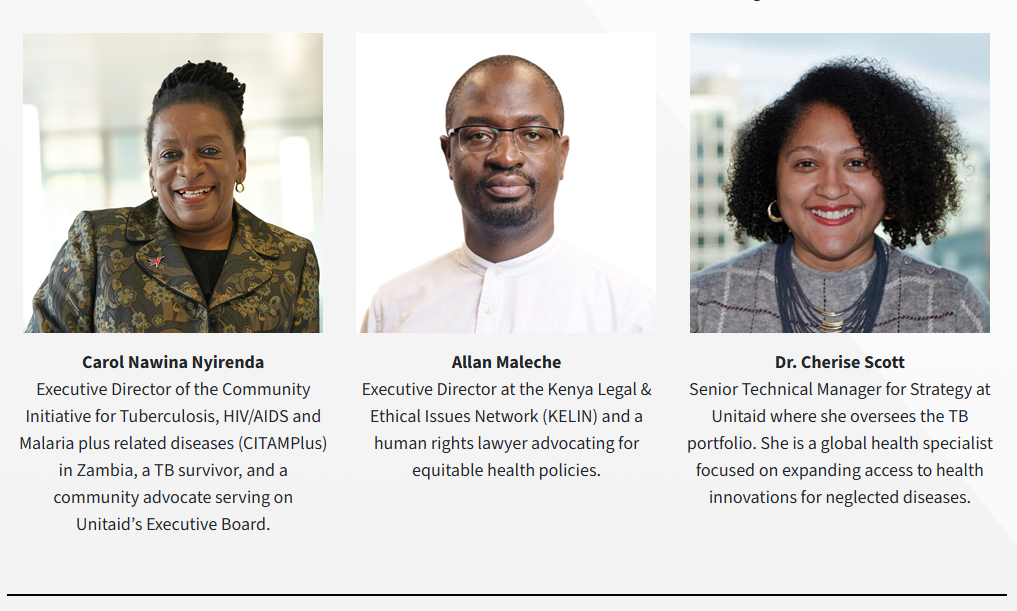
Carol: Over the last years, there has been real progress in reaching people living with HIV and children with tests and treatments adapted to their needs. But some population groups remain invisible. In Zambia and neighboring countries, miners and former miners are among them – their bodies carry the damage of silicosis, which makes them far more susceptible to TB. Many work in South Africa’s mines but return home without follow-up, bringing the disease back unknowingly to their families and communities.
Too often, TB services simply don’t reach people living in remote areas. When these populations are left out, TB continues to spread undetected – across borders, into families, into communities. No TB response can succeed if it doesn’t reach the most neglected communities.
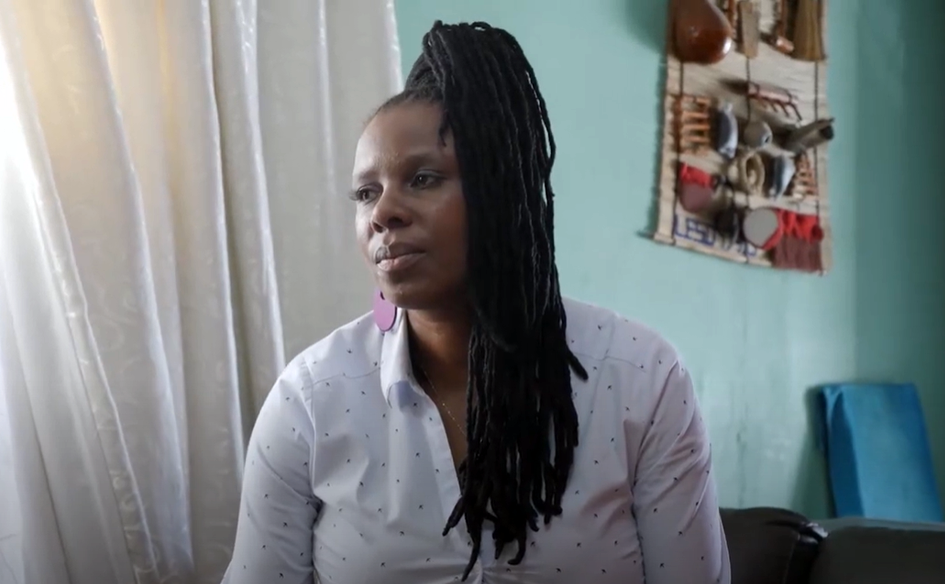
Allan: TB is not just a medical issue – it is also a social emergency. Barriers are both systemic and social. Stigma and discrimination discourage people from seeking care. While stigma and transmission both happen at the community level, investment to help eliminate stigma in the communities has not been sufficient.
Health systems are often centralized and not designed to reach communities where people live, as most advanced diagnostics are not available at community-level facilities.
For drug-resistant TB, the long and complex treatment journey has further discouraged adherence. While shorter treatment regimens improve this, new challenges arise, including a lack of lived experiences among those treated, which limits trust. This is a gap that the Combat DR-TB project aims to close by documenting and sharing treatment success stories to build confidence and trust in the WHO-recommended all-oral shorter treatment regimens.
Carol: I would start with information – or the lack of it. Many people simply do not know that what they are experiencing could be TB. So they go to the chemist, they buy something for the cough, and weeks pass. And when information does exist, it is often so medicalized that it doesn’t speak to people in a way they can understand or act on.
Then there is stigma – and it works on multiple levels. There is the stigma you carry yourself, the shame and fear that makes you not want to know. And there is the stigma from the community, when people look at you differently once they find out you have TB. Both keep people from seeking care.
Even when someone does go to a health facility, the barriers don’t stop there. The facility may be far. The test may take days to come back, or the doctor might not be available, and people may not return to collect their results or for a follow up appointment – because they cannot afford the transport, cannot miss another day of work, or find someone to watch their children. The cost of accessing care is sometimes what stops people from seeking it in the first place.
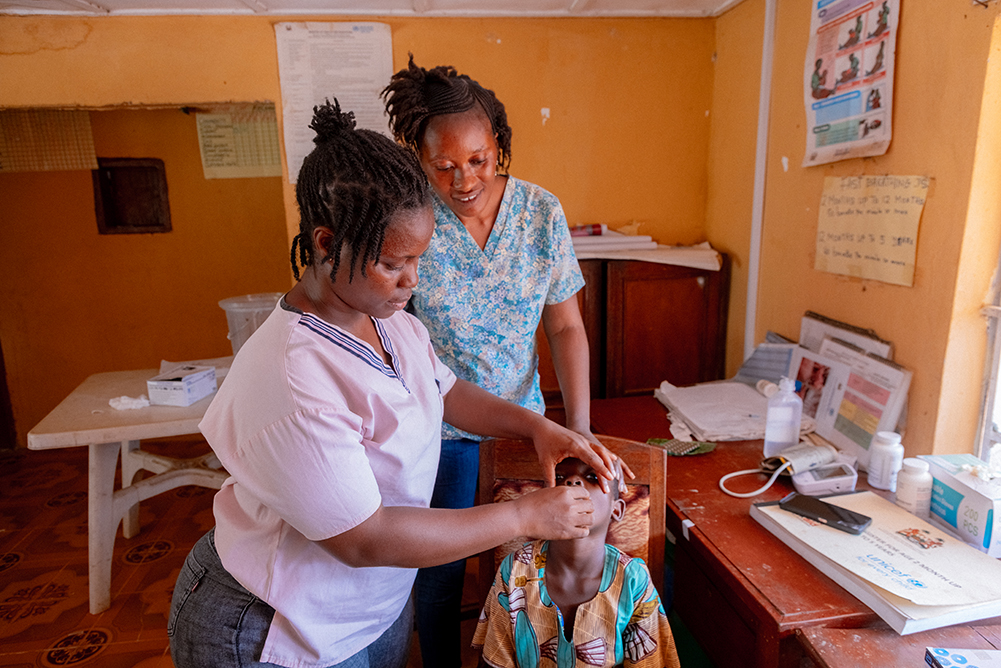
Cherise: Innovations are critical to reaching more people with TB care, but they are not sufficient on their own. To end TB, we need to address the structural barriers that keep the most vulnerable from benefiting from those innovations in the first place.
When we talk about innovation in TB, the conversation often focuses on new products. But innovation is also about approaches: how we use the tools we already have, and how we bring them to the people who need them most.
Designing services around the people most often missed – children, people living in informal settlements, prisons, mining communities, or in migration – supporting community-led approaches and decentralized delivery can shift the trajectory of the epidemic – and strengthen health systems in the process.
Allan: Innovation plays a critical role in addressing both structural and access barriers to TB care. This includes not only new technologies but also how services are designed and delivered to the affected people. An example is expanding access to near point of care (nPOC) diagnostics which can significantly reduce delays in diagnosis and improve access especially in underserved and remote settings. Addressing intellectual property barriers is also essential to ensure that new innovations are affordable and accessible in high-burden countries.
Innovation in service delivery, strengthening community health systems and adopting community-based approaches like active case finding and decentralized screening can help bring services closer to those most in need. Integrating patient-centered care that includes psychosocial support and tailored treatment models eventually improves adherence and outcomes.
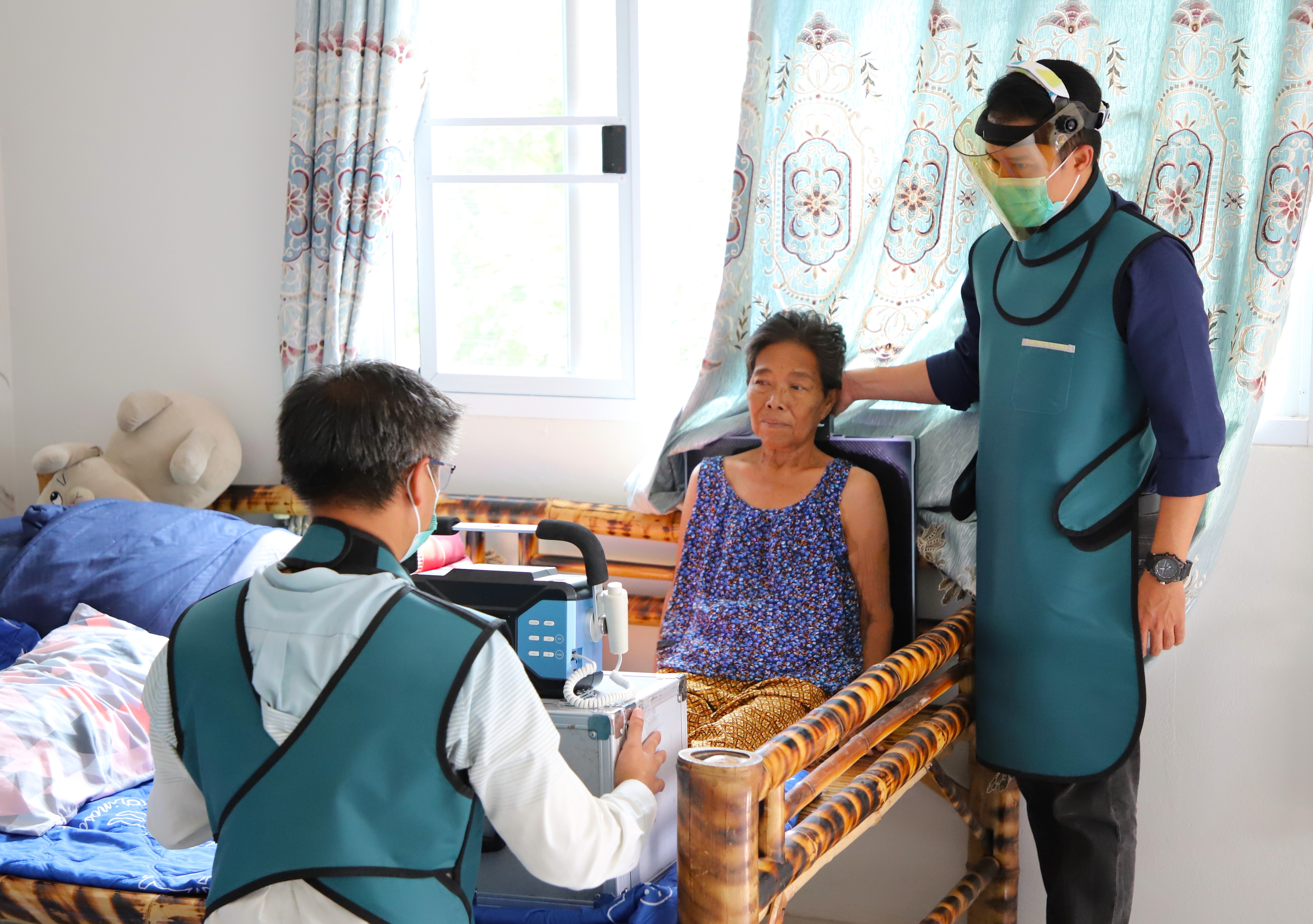
Cherise: Across our TB investments, inclusivity is at the forefront of everything we do – whether that means ensuring the best formulations exist for children, developing options for people who need alternatives to standard treatment, or getting diagnostics to the primary and community care level so that people can actually get into treatment. Identifying who is being left out and finding ways to get them access to care runs through all our priorities and investments.
As the world’s largest multilateral funder of TB research and development, Unitaid has spent the last 20 years working to ensure that tools, evidence and systems are built around the people most often left out: children, people living with HIV, pregnant women, those in remote or underserved communities, incarcerated populations, and others for whom the standard response has never quite worked. This has included catalytic investments in child-friendly TB formulations, shorter and more accessible prevention and treatment options, and service delivery approaches designed to reduce stigma, overcome access barriers and bring innovations closer to the people who need them most.
But tools alone are not enough. For the TB response to truly work for everyone, inclusion must be built in from the start – at the research stage, embedded in how services are designed, and reflected in the decisions that shape access. This work continues as we plan our next investments – and in the current context, it is more important than ever. As health financing faces serious pressure globally, the risk is that inclusivity is the first thing to suffer. We are actively working to counter that, by developing practical solutions that are cost-effective and that allow governments to address these gaps and reach more people with TB care.
Zambia's SCALE-IT project trains community health workers to deliver lenacapavir, a 6-month HIV-prev...
Read More
A pre-eclampsia survivor shares her journey and calls for stronger maternal healthcare systems to pr...
Read More
Accelerating action for women’s health requires innovation, equity, and community leadership to addr...
Read More
Leave a Comment
Your comment will be visible once approved by our moderators.