




Contact Info

Social Links

Accelerating Action for Women’s Health: Innovation, Equity, and Community Leadership

Accelerating Action for Women’s Health: Innovation, Equity, and Community Leadership

Accelerating Action for Women’s Health: Innovation, Equity, and Community Leadership

As the world observes International Women’s Day 2026 under the theme “Accelerate Action,” it is time to confront a difficult truth: progress in women’s health is not moving fast enough “especially for women facing multiple and intersecting vulnerabilities.”
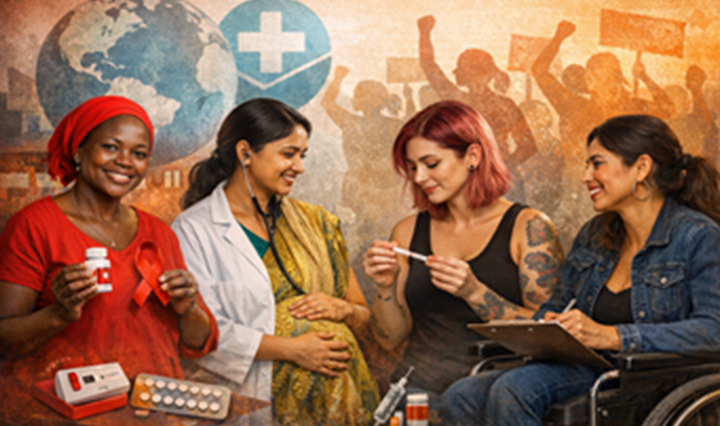
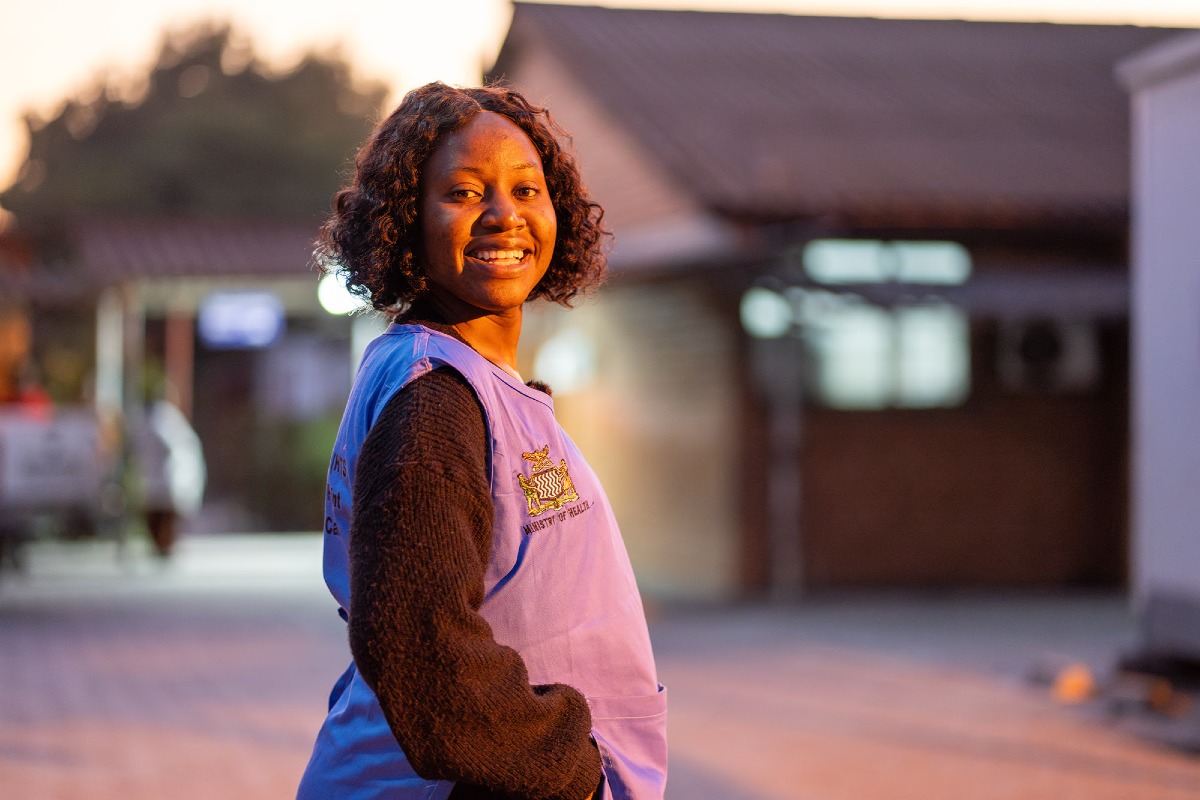
Women’s health is more than maternal care. It includes sexual and reproductive health, HIV prevention and treatment, mental health, protection from violence, and access to affordable, quality medicines and diagnostics. For women in low- and middle-income countries, these rights are often shaped by poverty, stigma, criminalization, and systemic discrimination.

To truly accelerate action, global health systems must center the women most left behind — including women living with HIV, women who use drugs, women in sex work, women with disabilities, and pregnant women navigating both stigma and clinical vulnerability.

The State of Women’s Health: Progressiveness and exist gaps

Globally, nearly 287,000 women still die each year from pregnancy-related causes, the vast majority in low-resource settings. HIV remains a leading cause of death among women of reproductive age in many countries. Anaemia affects millions of adolescent girls and pregnant women, increasing risks during childbirth and affecting long-term wellbeing.

In India and other middle-income countries, progress in maternal mortality reduction is encouraging but uneven. Full antenatal care coverage remains inconsistent across districts. Anaemia among pregnant women continues to be widespread. HIV testing among pregnant women is improving but still not universal.

Women's health need accerlating efforts

Behind these numbers  there are deeper structural challenges as below:
- Gender-based violence limiting women’s autonomy
- Financial dependence restricting access to healthcare
- Stigma in public  & private health facilities due to gender and HIV
- Criminalization of sex work and drug use
- Inaccessible services for women with disabilities & HIV

When HIV intersects with pregnancy, drug use, disability, or sex work, vulnerabilities multiply. Health systems that treat conditions in isolation fail to address the lived realities of women navigating multiple risks at once.

Intersectional Barriers: Who Is Being Left Behind?

Women Living with HIV:
Women living with HIV often face layered stigma, as women and as people living with HIV. Pregnant women living with HIV often experience discrimination in maternity wards or fear disclosure. While antiretroviral therapy has transformed HIV into a manageable condition, social stigma continues to undermine adherence and wellbeing.

Women Who Use Drugs:
Women who use drugs encounter criminalization and gender bias that restrict access to harm reduction, HIV testing, and reproductive health services. Pregnant women who use drugs are particularly vulnerable to judgment and denial of care.

Women in Sex Work:
Female sex workers carry a disproportionately high HIV burden globally. Criminalization and unsafe working conditions often push them away from formal health systems, making peer-led outreach critical.

Women with Disabilities:
Women with disabilities frequently face inaccessible clinics, lack of tailored sexual health information, and harmful assumptions about their reproductive rights.

Why Innovations and Access Matter for women’s health:

Innovation in global health is not only about new medicines — it is about ensuring that life-saving products reach the women who need them most and it needs to reach them at their own localities.

Investments in long-acting HIV prevention tools such as injectable PrEP, long-acting antiretroviral therapy, HIV self-testing kits, point-of-care diagnostics, affordable cervical cancer treatment, and gender-responsive harm reduction products can transform outcomes for vulnerable women.

Innovation must be accompanied by affordability strategies, market shaping, and health system integration. But innovation without community engagement risks exclusion. Access must be designed with - not just for - affected women.

Community Engagement: The Fragile link

Community-led organizations, especially networks of women living with HIV and key population groups, provide peer counseling, treatment literacy, adherence support, community monitoring, safe spaces, and critical links between health systems and marginalized women.

Sustained and flexible funding for community systems strengthening is foundational to accelerating impact.

Affordable Self-Care: Expanding Women’s Autonomy

Accessible self-care tools can strengthen women’s agency immediately:
- HIV self-testing where available
- Consistent condom use and female-controlled prevention methods
- Iron and folic acid supplementation during pregnancy
- Monitoring blood pressure during pregnancy

- Accessibility and affordability for viral load testing among Positive pregnant women and promotion of U=U strategies
- Improved nutrition using locally available foods
- Mental health support through peer groups

Self-care complements health systems by enhancing autonomy, early detection, and continuity of care.

A Collective Call to Action

Donors and Global Health Financiers:
- Increase direct funding to women-led and community-led organizations.
- Invest in innovative, long-acting, and user-friendly health technologies.
- Ensure equitable pricing and market access for new products.

Governments:
- Integrate HIV, maternal health, mental health, and gender-based violence services.
- Expand universal antenatal HIV testing and prevention of mother-to-child transmission.
- Reform policies that criminalize vulnerable women and restrict healthcare access.

Communities and Civil Society:
- Strengthen peer networks and community monitoring.
- Advocate for accountability in healthcare settings.
- Build alliances across HIV, disability rights, and women’s rights movements.

Conclusion

Women’s health is a measure of whether global health systems truly serve those most marginalized. Accelerating action means prioritizing dignity, equity, innovation, and community leadership.

For International Women’s Day, Unitaid focuses on its work advancing health equity by accelerating access to innovative, affordable health products for women and girls in low- and middle-income countries. Key initiatives include improving maternal health, expanding access to HIV prevention, and enhancing, diagnosing, and treating diseases that disproportionately affect women.

Unitaid's Key Focus Areas for Women's Health:

  • HIV Prevention and Treatment: Unitaid works to introduce and scale up innovative tools, such as long-acting HIV prevention for adolescent girls and young women, to reduce new infections.

  • Maternal and Child Health: Supporting projects that address high-burden health challenges, including maternal sepsis and postpartum hemorrhage.

  • Cancer Screening: Advancing low-cost, accessible tools for cervical cancer screening in resource-limited settings.

  • Market Shaping: Unitaid works to ensure these critical health products are affordable and accessible to the people who need them most.

When women — including those living with HIV, using drugs, engaged in sex work, living with disabilities, or navigating pregnancy — can access affordable, quality health products without fear or stigma, we move closer to universal health coverage and gender equality.


Leave a Comment