





Contact Info

Social Links

Unitaid invests US$36 million to support evidence-based scale-up of innovative malaria prevention tools

Unitaid invests US$36 million to support evidence-based scale-up of innovative malaria prevention tools

New programs will generate evidence alongside the first large-scale deployments of spatial emanators to inform practical guidance and decisions supporting scale-up, while evaluating the effectiveness of insecticide-treated baby wraps.

As countries prepare to introduce spatial emanators, a new generation of malaria prevention tool, Unitaid is investing US$36 million in two complementary projects to generate the evidence needed to guide their effective and sustainable rollout. The projects will support implementation research as spatial emanators move to scale following the announcement by the United States Government, the Global Fund and SC Johnson that they aim to reach at least 60 million people across priority countries with the product by 2029.
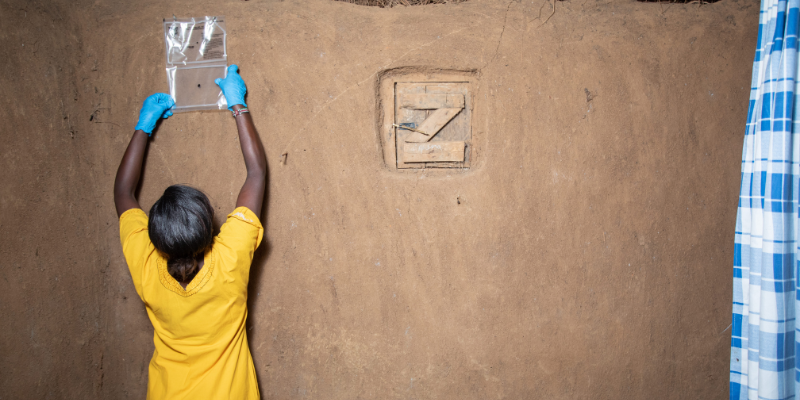
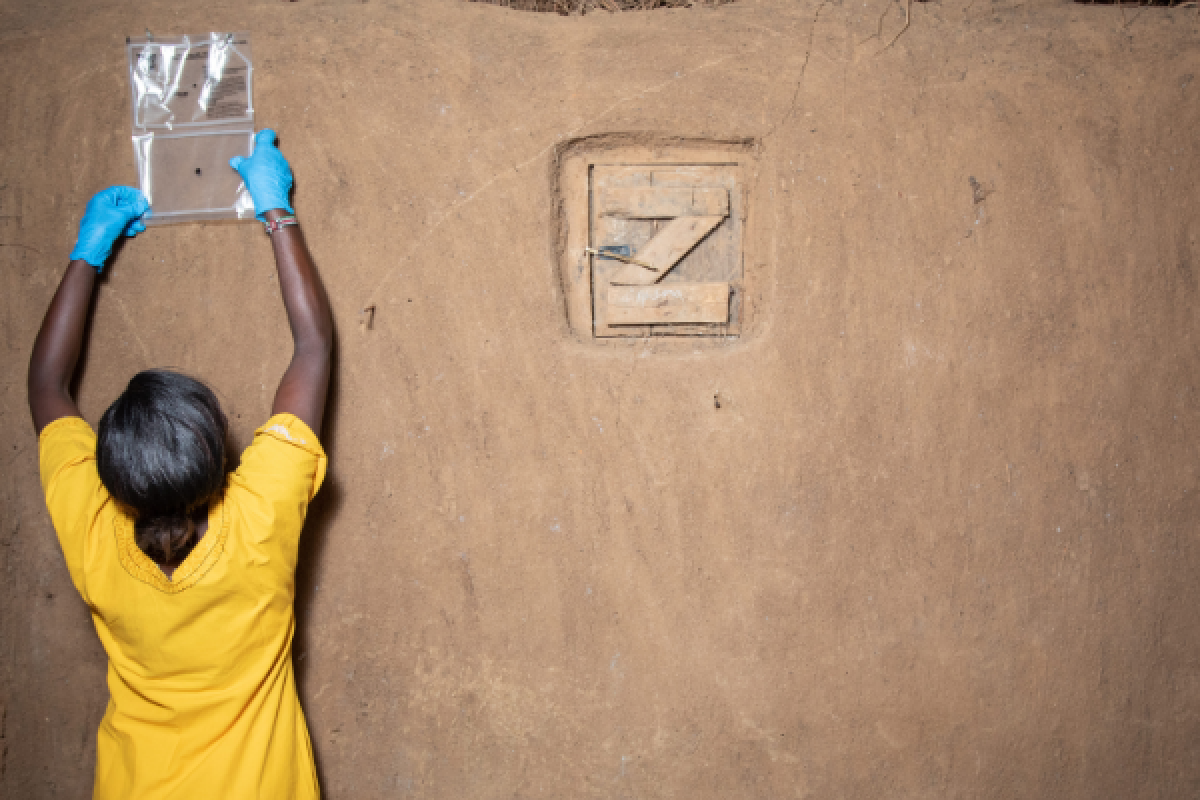
Spatial emanators are devices that release insecticide into the air, reducing mosquito entry, biting and feeding, and providing continuous protection to indoor areas, providing they are installed properly and replaced as needed. Evidence from a Unitaid-funded trial in Kenya demonstrated a 32% reduction in new malaria infections and contributed to the WHO’s conditional recommendation in August 2025 for the use of spatial emanators alongside insecticide-treated nets.

Unitaid invests US$36 million to support evidence-based scale-up of innovative malaria prevention tools

Two Unitaid-funded projects, led by Swiss TPH and the Centre for Research in Infectious Diseases in Cameroon (CRID), will generate real-world evidence to determine the most cost-effective, high-impact use of spatial emanators across different transmission settings, mosquito species and population groups, and inform evolving WHO guidance. This includes evidence on their use in areas with low coverage of insecticide-treated mosquito nets and in urban settings, where malaria control efforts meet unique challenges, working closely with community and civil society organizations.

Both projects will also generate early evidence on the potential role of spatial emanators to protect against Aedes mosquitoes, which transmit dengue and other mosquito- borne diseases. The dengue burden is spreading in Sub-Saharan Africa, with infections growing nine-fold between 2019 and 2023.

“Countries are preparing to introduce spatial emanators – the first new class of malaria vector control tool in decades. The decisions they make over the next few years will determine the impact these new tools can deliver. Unitaid’s investments are designed to generate the practical evidence countries need to deliver the greatest possible benefit for people impacted by malaria,” said Dr. Philippe Duneton, Executive Director of Unitaid.

“Our aim is to generate real-world evidence on how and under what contexts spatial emanators can complement existing malaria prevention measures. The findings will inform WHO recommendations, support countries in making evidence-based decisions and ultimately contribute to reducing the burden of malaria,” said Nakul Chitnis, Project Leader at Swiss TPH.

With support from Unitaid, CRID will also lead an additional research study to help build understanding of how insecticide-treated baby wraps could be implemented in different countries and contexts.

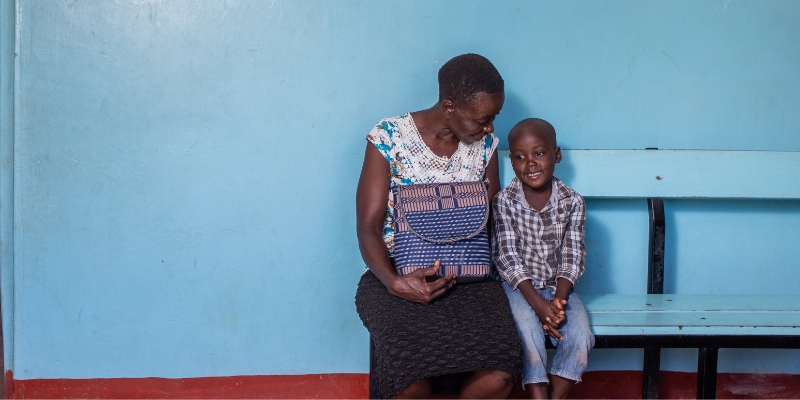
Insecticide-treated baby wraps are traditional cloth carriers for young children treated with insecticides. A recent randomized trial in Uganda found that they reduced malaria cases among infants by 66% when used alongside insecticide-treated nets, demonstrating their potential to protect one of the populations most vulnerable to severe disease and death from malaria.

Unitaid invests US$36 million to support evidence-based scale-up of innovative malaria prevention tools

CRID will evaluate practical questions about their use in additional countries, including Cameroon, Kenya and a humanitarian setting on the Myanmar border and contribute evidence to inform WHO guidance.

“WHO's 2025 recommendation for spatial emanators was conditional for good reason: important questions remain about how they perform outside trial conditions, in different transmission settings and among different populations. CANVeCT is designed to answer exactly those questions, so that the next iteration of global guidance rests on evidence generated during real rollout, not after it,” said Prof. Wondji Charles, Executive Director of CRID.

Note to editors

About CANVeCT, led by CRID

CANVeCT (Catalysing the Adoption of a Novel Vector Control Toolbox) is a project led by the Centre for Research in Infectious Diseases (CRID) in Cameroon that will generate practical evidence to help countries scale up new malaria prevention tools, including spatial emanators and insecticide-treated baby wraps. It will generate evidence on spatial emanators in Cameroon and potentially another country, and study the use of insecticide-treated baby wraps in Cameroon, Kenya and in a humanitarian setting in the Myanmar border area. The findings will help countries understand where and how these tools can best be used and contribute to evolving WHO guidance. Originally launched in 2025, CANVeCT represents an US$18 million Unitaid investment that forms part of the US$36 million investment announced today. The project has been adapted to reflect the transition to country implementation of spatial emanators and the evolving global landscape.

About CONVINCE, led by Swiss TPH

CONVINCE (Country Operationalized Novel Vector Interventions for Malaria Control) is a project led by Swiss TPH that will generate practical evidence on how spatial emanators can be used effectively in different settings and populations, including areas with low coverage or use of insecticide-treated nets, rural and urban settings, and areas where different mosquito species are present. The project will also assess how communities experience and use the new tools, their costs, and how they can be integrated into existing malaria programs. The findings will help countries make informed decisions about where and how to use spatial emanators and contribute to evolving WHO guidance.


Leave a Comment

Related Posts

Statement on the Merck Voluntary License on Alimatravir and Unitaid’s Announced Support For African Licensees

Unitaid welcomes African manufacturing investment for alimatravir but urges Merck to expand its 129-...

Read More

La Délégation des Communautés au 50e Conseil d’Administration d’Unitaid

La Délégation des Communautés met en avant l’accès équitable aux soins, la participation communautai...

Read More

Communities Delegation at the 50th Executive Board of Unitaid

Communities Delegation at Unitaid's 50th Board meeting in Paris, July 2026: advocating for community...

Read More