



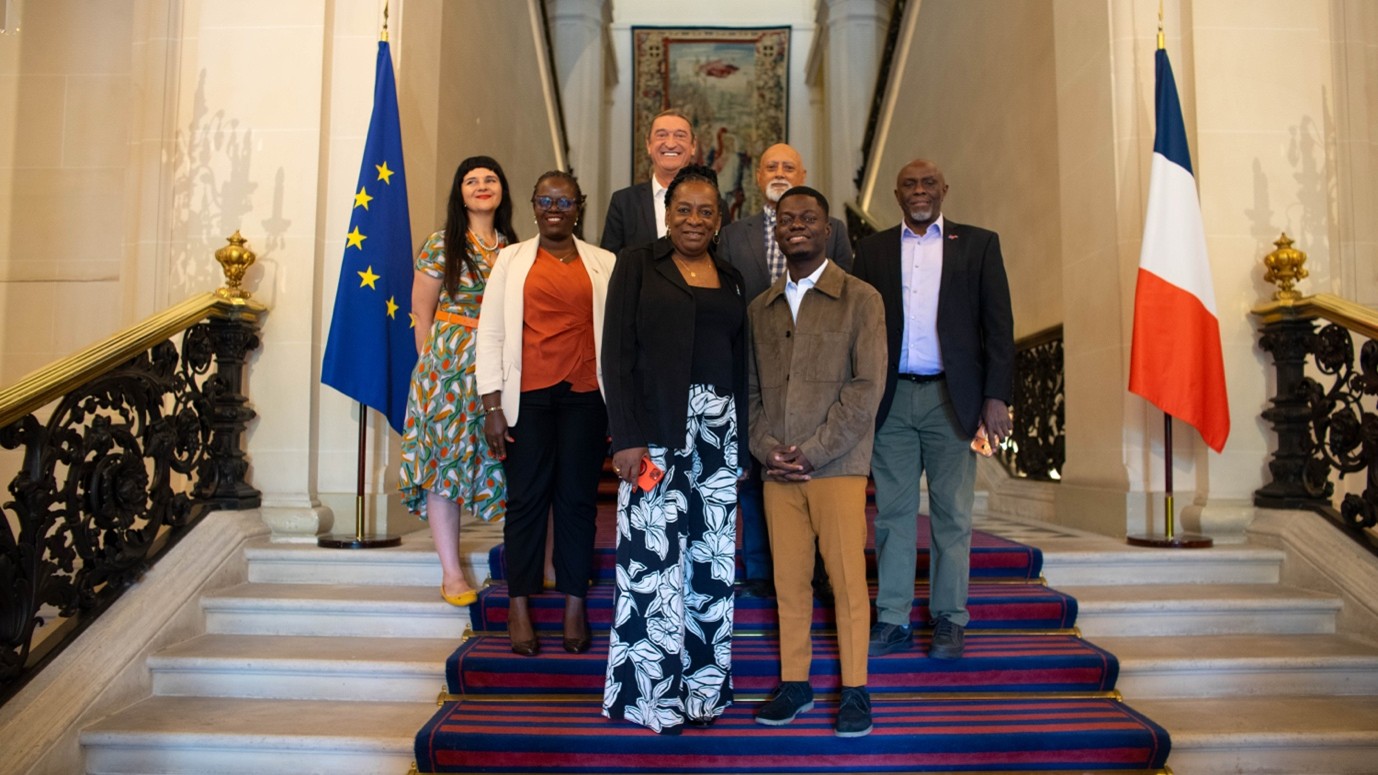
The Communities Delegation to the Unitaid Board, representing people living with and affected by the diseases, actively participated in the 50th Executive Board (EB50) meeting held in Paris, France, on 2 and 3 July 2026.




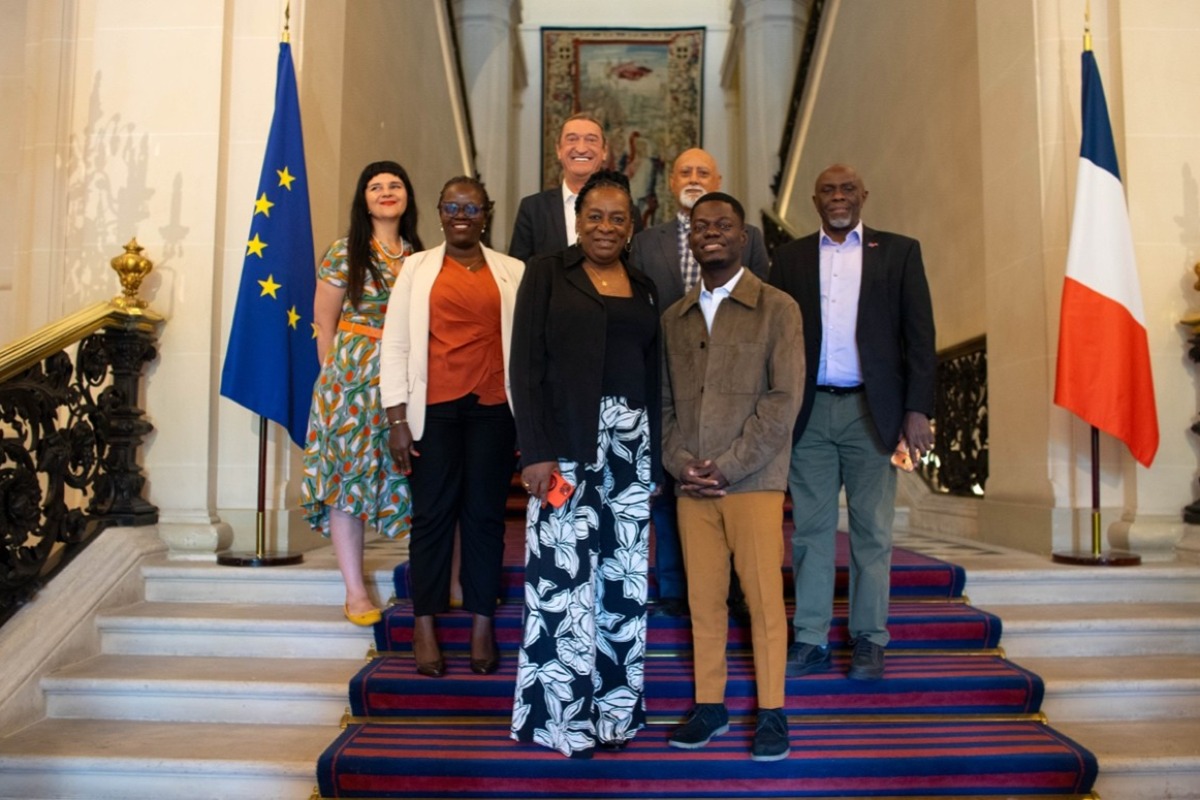
The Communities Delegation to the Unitaid Board, representing people living with and affected by the diseases, actively participated in the 50th Executive Board (EB50) meeting held in Paris, France, on 2 and 3 July 2026.
Hosted by France, a founding member and longstanding partner of Unitaid, EB50 took place during Unitaid’s twentieth anniversary year and at a pivotal moment for global health. The Delegation held preparatory meetings to review the Board agenda, align on key messages and support the interventions of the Communities Board Member and Alternate Board Member. As always, the Delegation’s engagement was guided by the voices, needs and lived realities of communities in the global south, where access to health innovation remains both urgent and uneven.
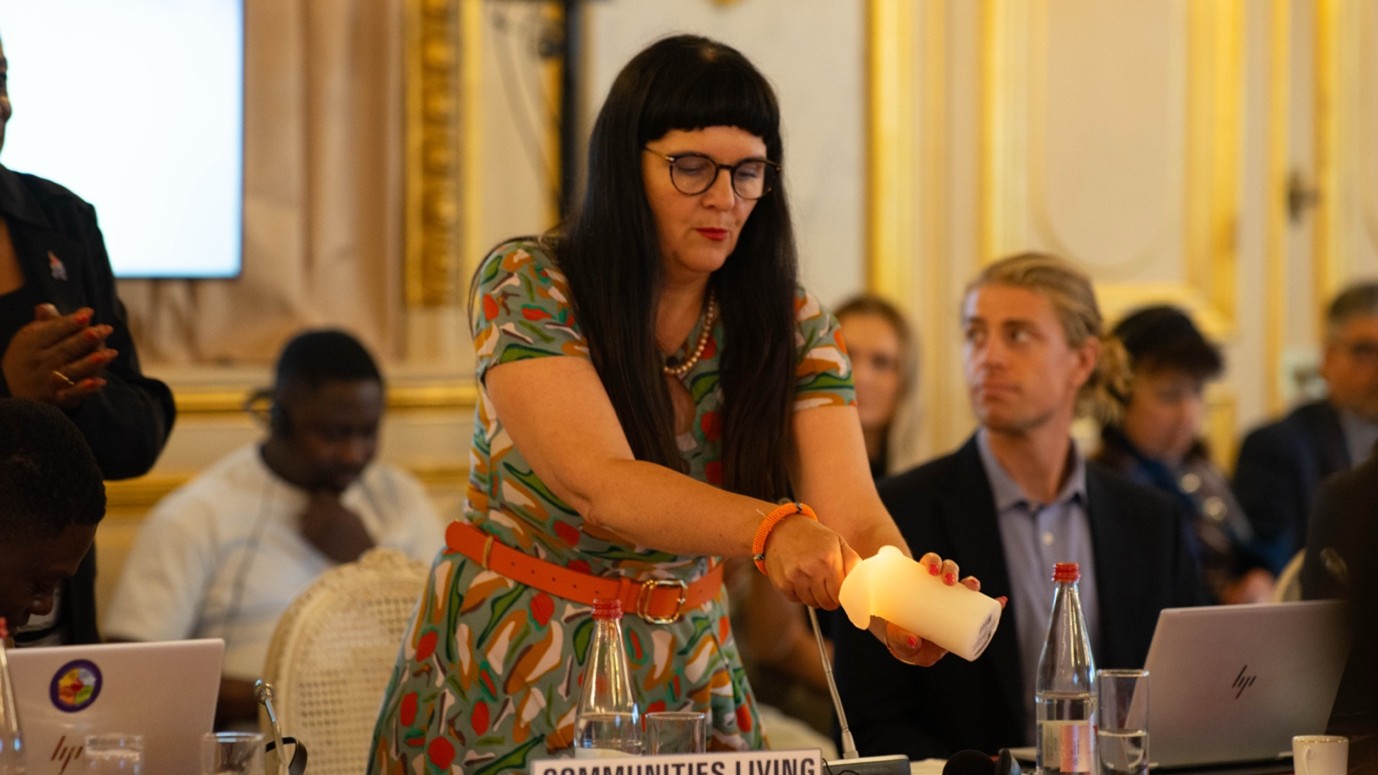
The Board meeting opened with a candle-lighting moment led by the Communities Delegation. This moment honoured those who died from HIV, tuberculosis, malaria, maternal and child health conditions, and other preventable causes because testing, treatment, prevention or care did not reach them in time.
For the Delegation, the candle was not a symbol of an institution, but a reminder of people whose names do not appear in meeting papers, yet whose absence remains present in their families and communities. It was also a call to remain restless when progress is uneven and when people are still excluded from the care they need.
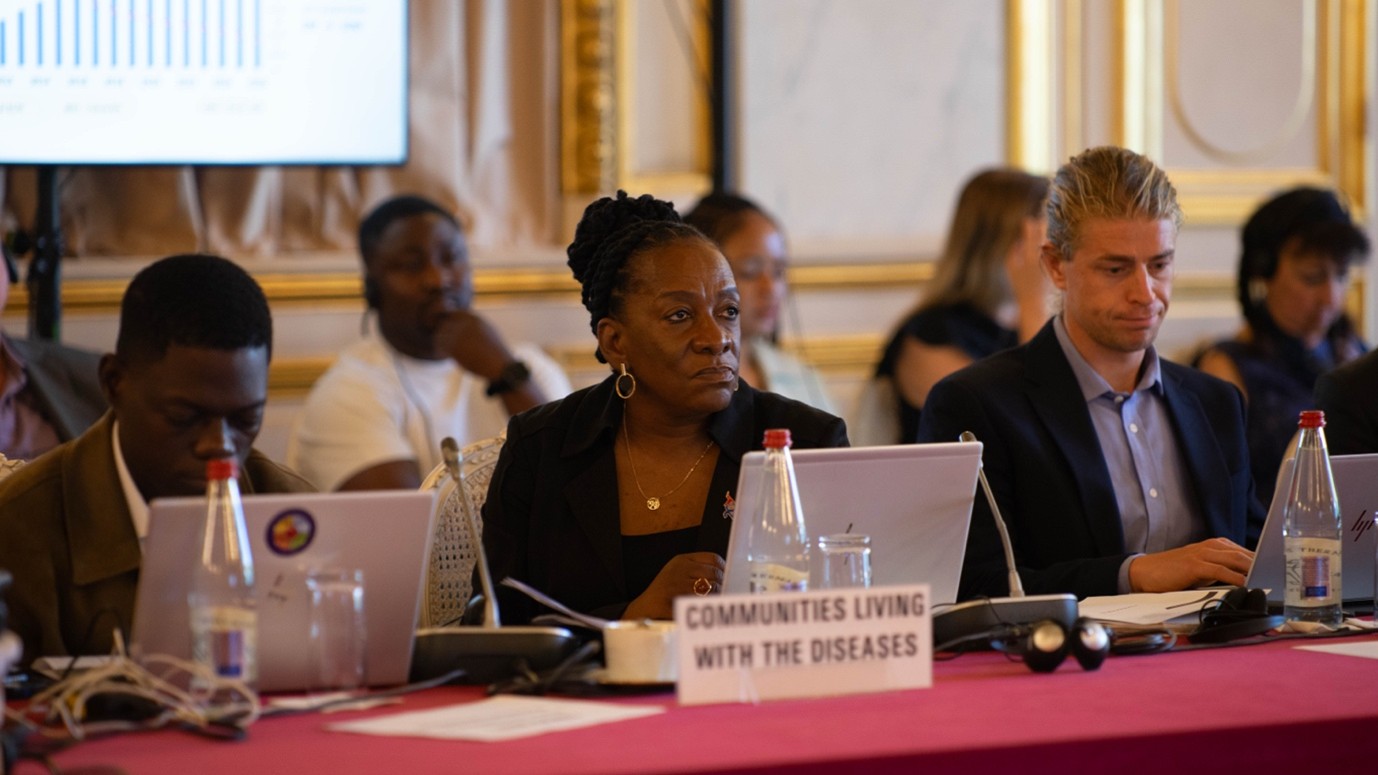
The Delegation welcomed the Executive Director’s report and thanked Dr Philippe Duneton for his leadership and commitment to Unitaid’s mission. The Board reviewed strong progress across Unitaid’s portfolio, including advances in lenacapavir access planning, regional manufacturing, women’s health, medical oxygen and emergency response. Unitaid-supported products now reach approximately 390 million people annually across more than 100 countries, demonstrating the organisation’s continued relevance and catalytic value. At the same time, the Delegation stressed that the real measure of Unitaid’s work is whether people, especially those facing the greatest access gaps, can actually obtain and use these tools in their countries.
As Carol Nawina Nyirenda, Communities Board Member, said: “Unitaid’s strength is not only that it supports innovation, but that it helps make innovation usable, affordable and meaningful for the people who need it most. At a time when resources are shrinking and institutions are under pressure to prove their value, communities must be involved from the beginning so that access is not an afterthought, but the purpose of the work.”
A central theme at EB50 was Unitaid’s future role within a rapidly changing global health architecture. As discussions intensify around efficiency, consolidation, mandates and financing gaps, the Delegation cautioned that Unitaid is not simply another procurement or scale-up institution. Its added value lies in the space between promising science and real access: identifying barriers, shaping markets, addressing intellectual property and affordability, supporting early introduction, generating implementation evidence, strengthening country readiness and ensuring that products are acceptable and usable in real communities and health systems.
The Delegation reiterated that Unitaid’s role as an innovator, pathfinder, convener and influencer remains essential, particularly where there is no clear scale-up pathway or where domestic financing remains uncertain. The current funding climate makes this role more important, not less.
The Delegation welcomed the increasing recognition by the Secretariat and Board that communities are essential partners, not mere beneficiaries, in improving health products, delivery models and access outcomes. Country ownership is essential, but it must mean more than engagement with governments and national programmes. Communities, civil society, and people affected by the diseases must be recognised as co-creators and accountability partners, especially in settings where stigma, criminalisation, poverty, gender inequality, conflict or shrinking civic space limit participation.
Community engagement should also be treated as an investment priority. New grants and reinforcement opportunities should include costed roles for community-led organisations and community partners in design, demand creation, referral, adherence support, monitoring and accountability. Community-generated evidence and community-led monitoring should inform programme decisions, not sit outside them.
The Delegation welcomed the progress reflected in the implementation report, KPI report and programmatic priorities update and appreciated the progress in the uptake of Unitaid-funded products by more than 100 countries. Communities also noted with concern that scalability risk remains medium or higher across much of the portfolio. In a fragile funding ecosystem, strong project performance does not automatically translate into sustained access.
The Board approved the process for developing Unitaid’s next strategy 2028-2032, to be completed by June 2027. The Delegation welcomed the inclusive and structured approach, including planned regional consultations with communities.
The next strategy must respond honestly to the changing financing environment while protecting Unitaid’s ambition. The Delegation stressed that financial constraints should not define the level of ambition for access. Even if Unitaid is not fully funded, the organisation should continue to name clearly what is needed to ensure equitable access. As Abdul-Fatawu Salifu, Alternate Board Member, said: “The next strategy must protect Unitaid’s unique role as a bridge between promising science and real access in countries. Communities know where that bridge is broken. Our role is to help Unitaid and its partners design solutions that are not only technically strong, but trusted, demanded and sustained by the people they are meant to serve.”
The Board approved the Reinforcements Pathway as part of the optimisation of Unitaid’s operating model. The Delegation welcomed this as a practical way to respond more quickly to time-sensitive strategic opportunities, including deeper country and community engagement.
The Delegation appreciated the safeguards included in the proposal and welcomed that community engagement is now a mandatory eligibility condition.
The Delegation recognised the difficult funding environment and welcomed efforts to diversify funding, strengthen strategic communications and explore philanthropic partnerships, catalytic finance and results-based financing. At the same time, the Delegation stressed that innovative financing cannot replace predictable core funding. Core funding is essential for Unitaid to remain independent, responsive and catalytic. Without it, Unitaid risks becoming more fragmented, more donor-directed and less able to respond to community priorities.
The Delegation urged donors not to treat the current debate on global health architecture as an exit door from responsibility. The financing crisis should lead to smarter collaboration, stronger accountability and sustained commitment, not reduced ambition for equitable access.
The Delegation welcomed the Investment Plan and encouraged continued transparency on the funding outlook, prioritisation choices and implications for areas that are paused or narrowed.
The Board approved two new Areas for Intervention: integrated care for small and vulnerable newborns, and people-centred, cost-effective care for tuberculosis and hepatitis C in key and vulnerable populations in high-transmission settings. The Delegation welcomed both investments, especially their focus on people who are too often missed by conventional services.
For newborn care, the Delegation welcomed the focus on essential medicines, respiratory support, oxygen, market shaping and country-led scale-up. The Delegation stressed that HIV-exposed infants and mothers should remain explicitly included through prevention of vertical transmission, early infant diagnosis, risk-based prophylaxis and treatment pathways.
For TB and hepatitis C, the Delegation welcomed the focus on prisons, migrant and displaced communities, mining settings and other high-transmission environments but cautioned that decentralisation alone will not be enough. Services must be designed around people’s real pathways, including detention, release, migration, displacement and resettlement, while protecting confidentiality, non-discrimination and continuity of care. HIV and harm-reduction services should be integrated wherever relevant.
The Board approved the 2025 audited financial statements and reviewed the report of the External Auditor. The Delegation welcomed Unitaid’s continued strong financial management and encouraged further improvements in transparency, grant closure processes and reporting.
The Board also reviewed governance arrangements, including an update of the Board Operating Procedures, the mandate and workplan of the Governance Working Group, and the extension of the terms of the Vice-Chair, and committee leadership and membership.
The Delegation expressed its appreciation to Dr Philippe Duneton for his leadership and for his consistent support for communities within Unitaid. Throughout his tenure that is coming to an end this year, he recognised that communities are not only beneficiaries of innovation, but essential partners in ensuring that new tools, treatments and approaches reach people and improve lives. As Unitaid enters its third decade and prepares for new leadership, the Delegation hopes that his community-centred approach will remain a lasting part of the organisation’s future.
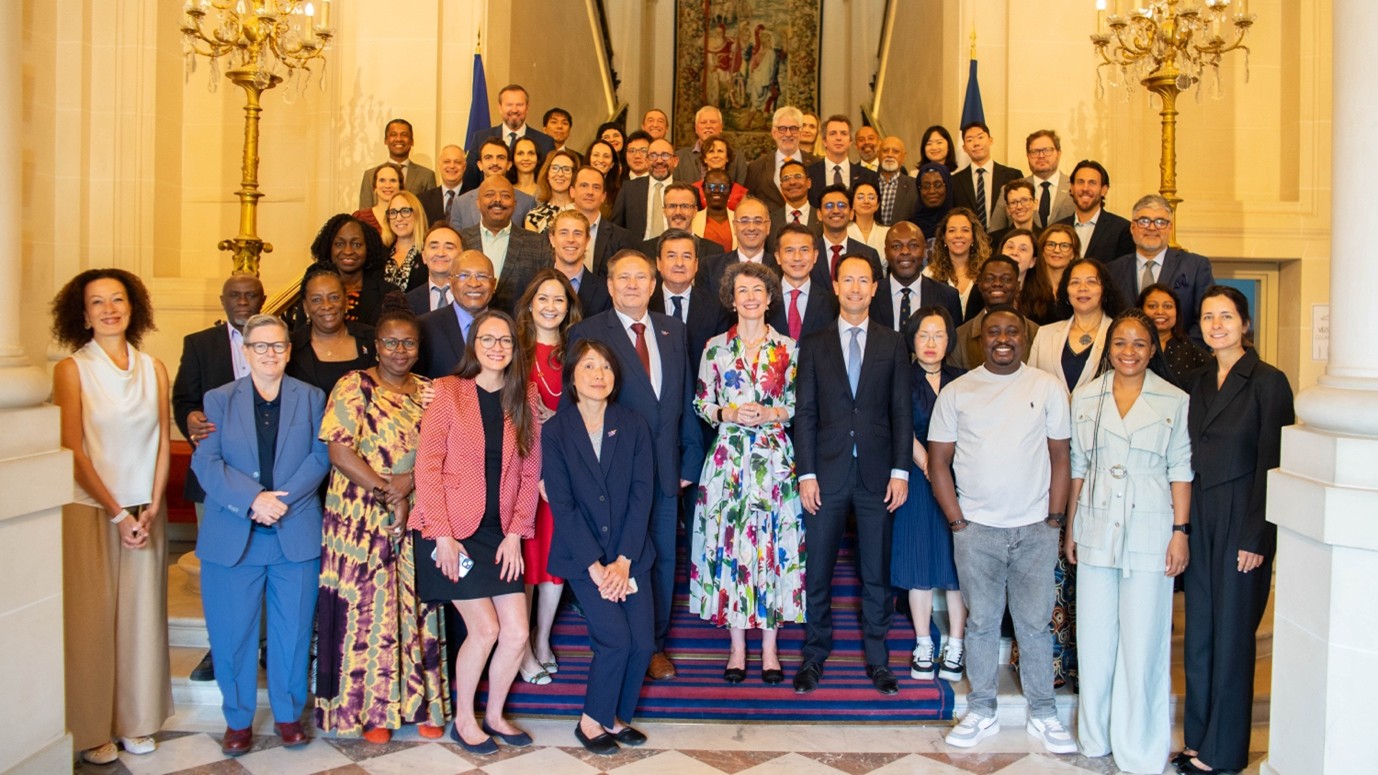
The Delegation welcomed the outcomes of EB50 and appreciated the continued recognition by Board constituencies and the Secretariat of the role communities play in Unitaid’s mission. In this era of profound transformation, the Delegation will continue to advocate for an access agenda rooted in lived experience, equity, affordability, transparency and accountability.
The next Executive Board meeting will take place in Geneva in December 2026.
July 2026
The Communities Delegation to the Unitaid Board represents people living with HIV and/or lived experience of diseases within Unitaid's areas of intervention. The Delegation has the goal of representing the views, voices, needs and interests of Communities living with the diseases at Unitaid Board and Committee level. It aims to be transparent, accountable and to prepare communities to engage in Unitaid’s work areas that directly affect those living with the diseases at grassroots and country level, especially in the global south.
The Communities Delegation to the Unitaid Board is hosted by the South African office of the Global Network of People living with HIV (GNP+). For more information, please contact Wim Vandevelde, Liaison Officer of the Communities Delegation, at wvandevelde@gnpplus.net
Your comment will be visible once approved by our moderators.

South Africa launches an initiative to enable local production of lenacapavir, a long-acting HIV pre...
Read More
Unitaid is inviting proposals to accelerate cervical cancer elimination through secondary prevention...
Read More
In Sierra Leone, Unitaid’s IMPAACT4TB project is expanding access to short, effective TB prevention,...
Read More
Comments (1)
UNITAID has made remarkable progress that can be measured by the quality of life of people affected by the diseases.