




Contact Info

Social Links

Fighting TB means fighting poverty. Why hunger and stigma are the real barriers to health

Fighting TB means fighting poverty. Why hunger and stigma are the real barriers to health

In Zambia’s mining heartlands, tuberculosis (TB) remains a daily threat — not only to health, but to livelihoods. Maxwell Mumba, a TB survivor and person living with HIV, has turned his personal experience of stigma and survival into a mission to protect others through prevention.
As the TB community prepares to meet at the Union World Conference on Lung Health in Copenhagen, he shares his story and his hopes for the future of TB prevention.

My story: from patient to advocate

I was born in Lusaka thirty years ago. I never set out to become a TB and HIV advocate. But like so many others, I’ve lived my life under the shadow of both diseases. I was born with HIV, though I only learned this in my twenties. Later, I contracted TB. I’ve experienced stigma so deep that I lost friends and even hope at one stage.

But surviving both HIV and TB changed everything. I told myself that if I got a second chance at life, I would use it to make sure no one else had to go through what I went through.

This is what drives me every day.

From treatment to prevention

Today, I’m proud to be part of the IMPAACT4TB project in Zambia, which has focused on TB Preventive Therapy (TPT) since 2018. For me, this marks a powerful shift — from treating illness to preventing it.

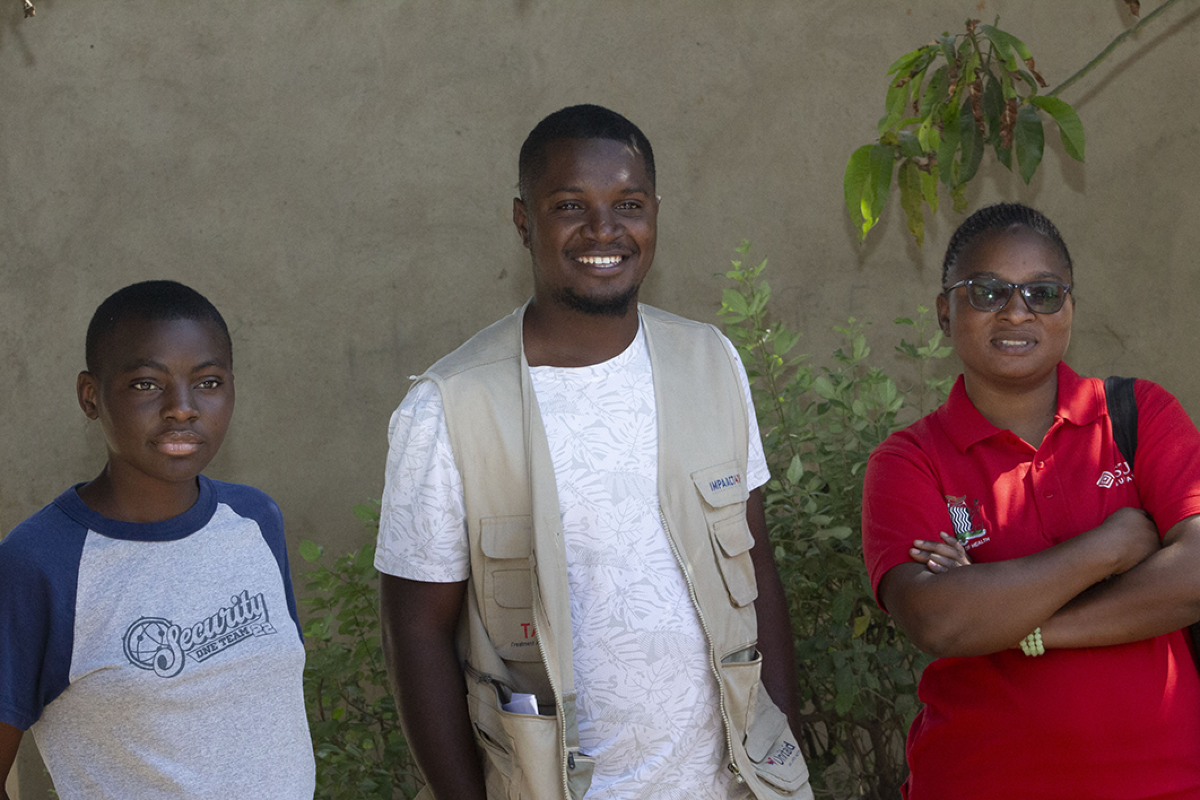
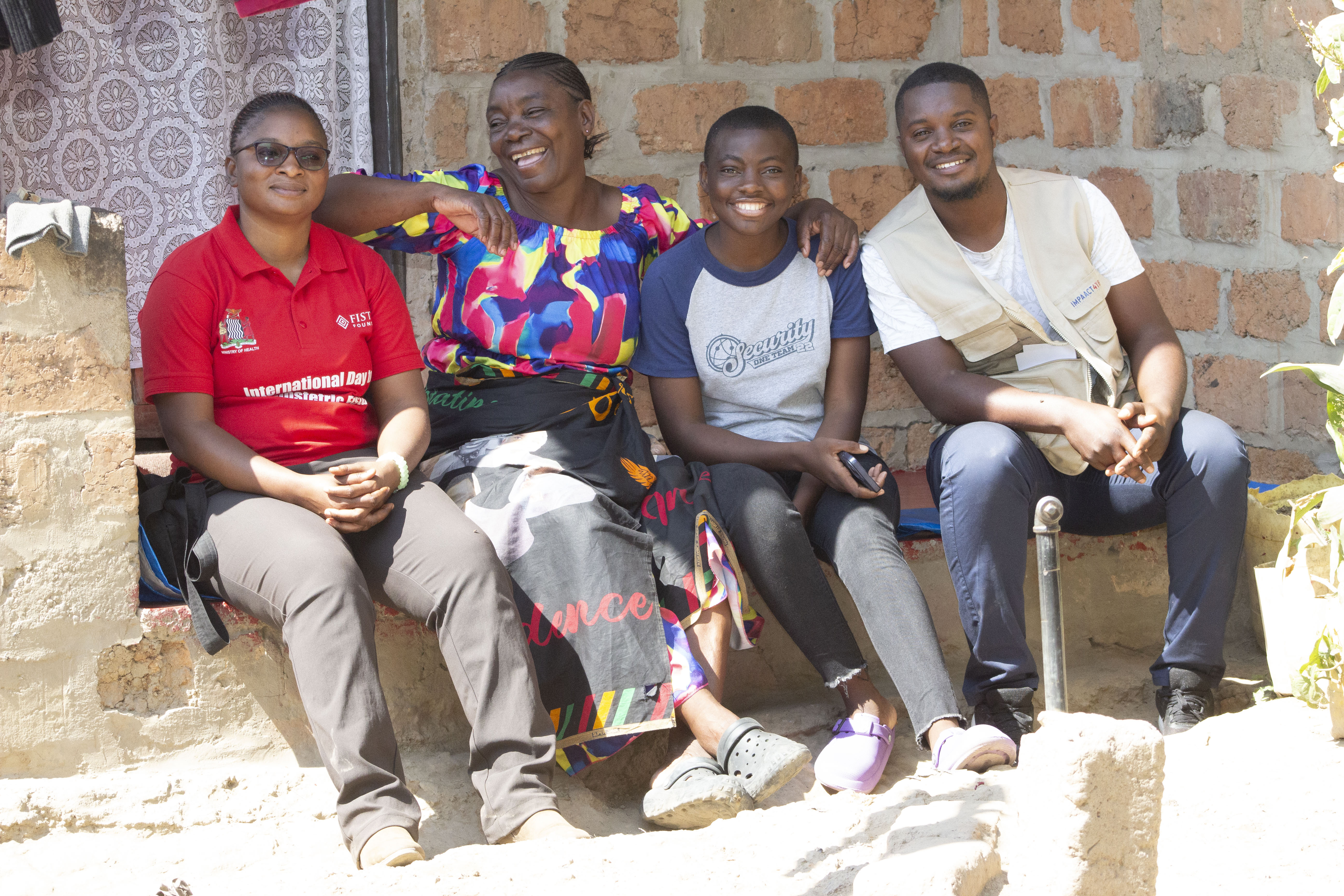
Maxwell Mumba with colleagues and people living with TB at the IMPAACT4TB project in Kabwe District, Zambia.

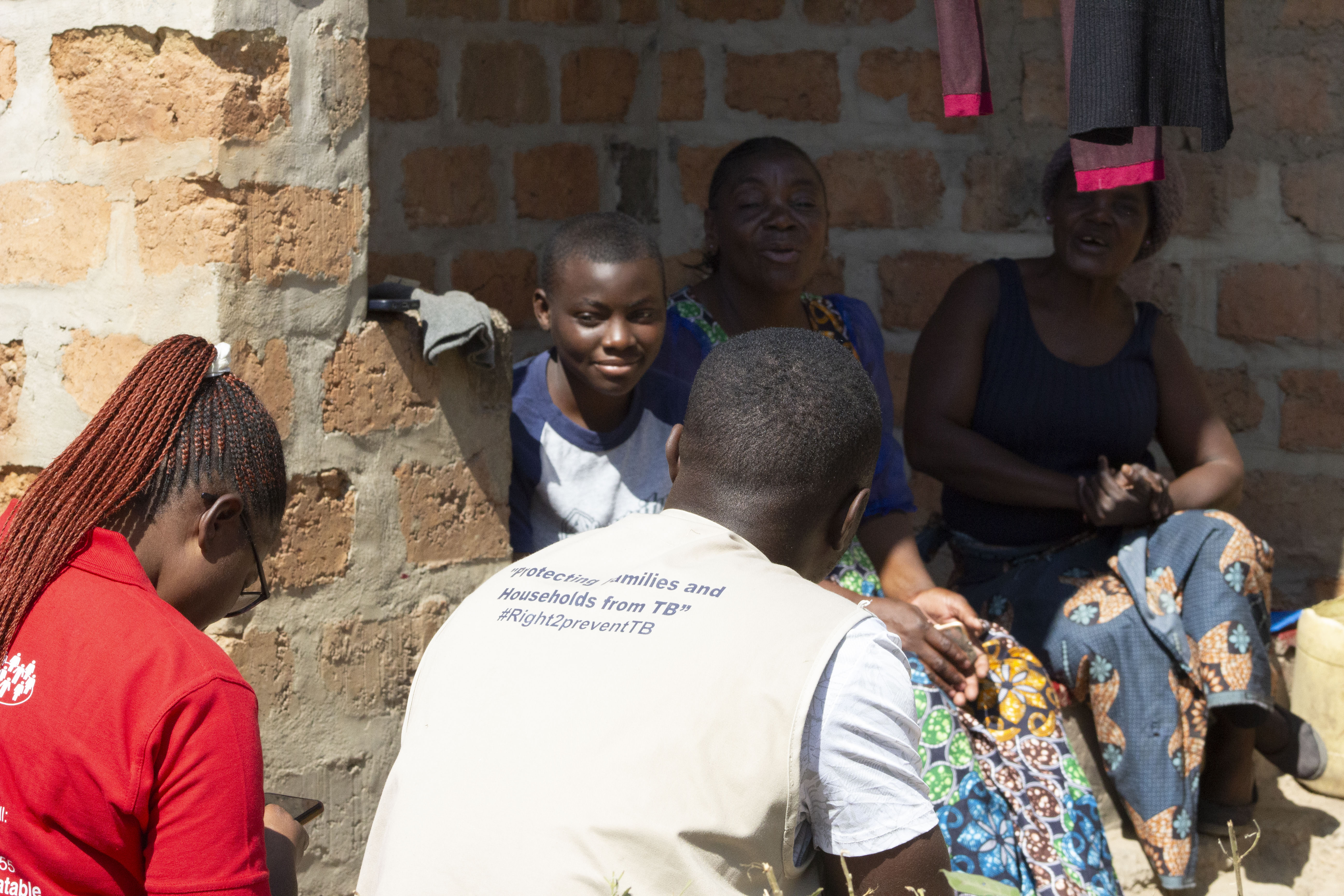
Our work takes place in three districts — Lusaka, Kabwe, and Chongwe — where we engage community-based volunteers, the real foot soldiers of this fight. They work directly with families affected by TB, with survivors and household contacts, helping people understand what TPT is and why it matters.

We’ve seen huge enthusiasm for TB prevention. In fact, some facilities ran out of stock because so many people wanted to start preventive treatment. That tells you how ready our communities are to protect themselves — if we give them the tools and the knowledge.

The unseen toll on miners

In Zambia’s mining areas, TB is more than a health issue — it’s a livelihood issue. The dusty, poorly ventilated conditions in many mines make TB almost endemic among workers. I’ve seen entire families lose their income because one breadwinner fell ill.

And yet, many miners hide their TB status out of fear. They worry that if they disclose they have the illness, they’ll lose their jobs or be seen as weak. This fear keeps people silent, delays treatment, and spreads the disease further.

No one should have to choose between their health and their livelihood. We urgently need workplace policies that protect miners and other vulnerable workers from discrimination, so they can access care without fear.

Challenges we still face

Stigma remains a powerful barrier. TB is still seen as “a disease of the poor.” Many people misunderstand preventive therapy, thinking it’s treatment for active TB, and fear side effects or social judgment.

Our community volunteers often walk long distances to reach remote households, with few resources for transport. And funding for community programs is limited and often doesn’t last long enough to build trust or measure lasting change.

There’s also a hidden challenge we see every day: hunger.

Many people who start TB treatment or preventive therapy struggle to take their medication because they simply can’t afford to eat properly. Some stop taking their medicine because the side effects feel worse on an empty stomach. Poverty makes adherence difficult. We can’t always provide food support, but we need to find creative, sustainable ways to help people stay on treatment — whether through local partnerships, nutrition programs, or linking TB projects with social protection.

We need longer-term investment in community-led work, because that’s where real change happens.

The power of partnership

Unitaid’s support has been crucial. Through the IMPAACT4TB partnership, Unitaid’s investment has brought new innovations, data tools, and preventive medicines closer to the people who need them. And Unitaid’s role isn’t just about funding. It’s about reshaping markets and making life-saving health products more accessible and affordable across Africa.

Zambia has benefited from Unitaid’s leadership not only in TB but also in HIV and oxygen access — and that gives us hope for what’s possible when global partners and local communities work hand in hand.

Looking ahead: the Union Conference in Copenhagen

Next month, the world’s TB community will gather for the Union World Conference on Lung Health in Copenhagen. I wish I could be there. Conferences like this bring together scientists, policymakers, donors, and community voices — all in one space.

What I hope to hear from Copenhagen is a real conversation about how countries like Zambia can build domestic resources to fund their own TB responses. International support has been vital, but it’s not infinite. The future must be built on sustainable, locally owned solutions.

I also hope to see renewed focus on the most vulnerable — children, the elderly, and working people like miners, who often bear the greatest burden but have the smallest voice.

And I want discussions on innovation in prevention, like the possibility of long-acting TB preventive treatments — maybe even an injectable form, inspired by advances we’ve seen in HIV prevention. That would be a game-changer.

My hope for the future

This work has changed me deeply. It’s shown me that communities are not helpless — they are resilient, curious, and ready to act once they have the right information. When people understand that prevention protects their families, they become advocates themselves.

Maxwell Mumba (far right) with Musunga Chitonge (Ministry of Health) at the IMPAACT4TB project site in Makululu compound, Kabwe, Zambia.

My dream is quite simple: That no miner, no mother, no child in Zambia — or anywhere — should lose their life to a disease we already know how to prevent. If we invest in prevention, empower communities, and listen to those who’ve lived through TB, we can turn survival into strength — and strength into lasting change.


Leave a Comment

Related Stories

From Silence to Strength: Why Women Living with HIV Must Lead the Response

A Malawian HIV activist shares her journey from injustice to leadership, calling for gender-responsi...

Read More

Tackling Postpartum Haemorrhage Through Storytelling

Angela Nguku and White Ribbon Alliance Kenya use storytelling to highlight postpartum haemorrhage, a...

Read More