



Contact Info

Social Links

Breaking barriers: Why I advocate for health and justice

Breaking barriers: Why I advocate for health and justice

By Immaculate B. Owomugisha; Health, HIV, Gender, SRHR Justice

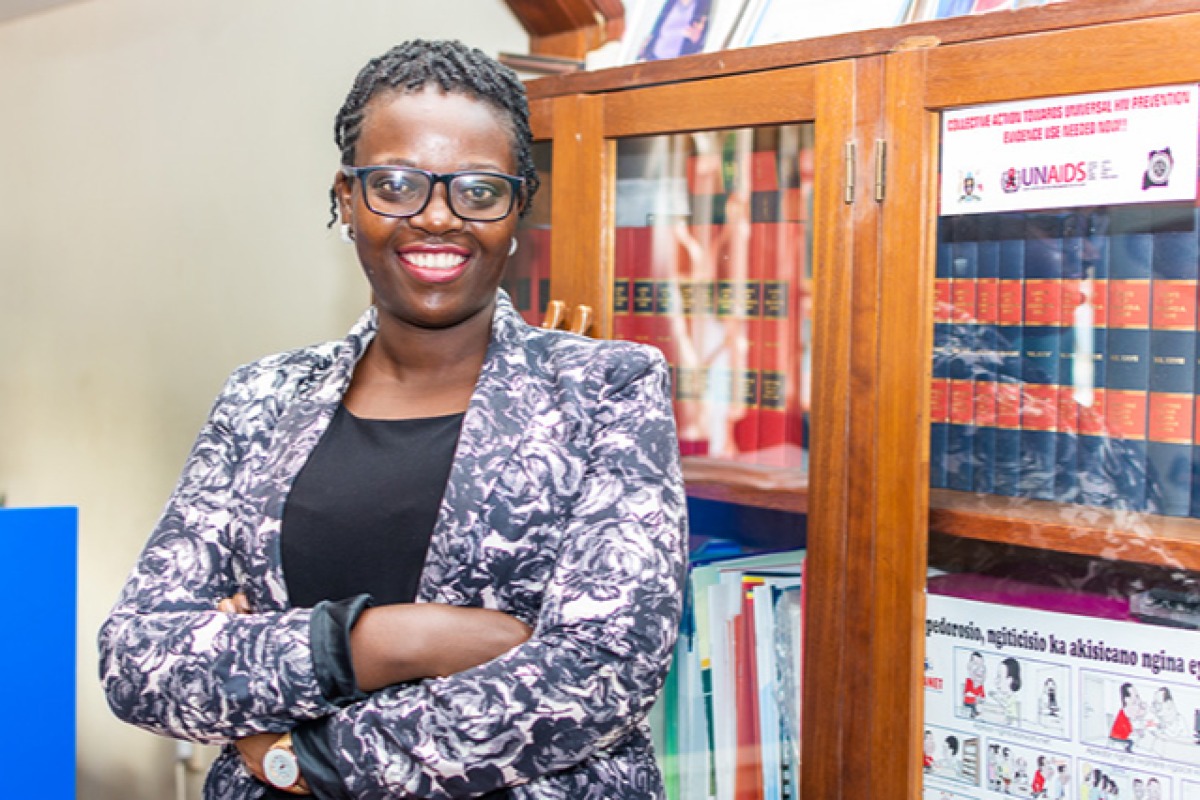
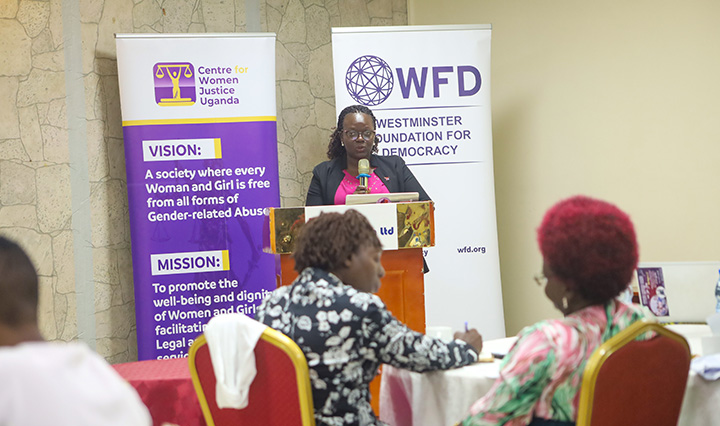
My name is Immaculate Owomugisha. I’m a trained lawyer living in Uganda where I work with the Centre for Women Justice Uganda, serve as board member of the International Community of Women Living with HIV, and work with Unitaid’s Community Delegation. For more than 15 years, I’ve been advocating for people living with and affected by HIV, TB, malaria, and other diseases.
This work is not only professional—it’s deeply personal. I’m a mother of two beautiful boys and have experience navigating stigma, accessing care, and raising my children in a society that often criminalizes people with HIV. This is what drives me every single day.

Health is a human rights and social justice issue. If you’re not well, you cannot live to your full potential. Yet too many people in Uganda—and across Africa—are prevented from accessing the care they need because of barriers that should not exist.

Some of these barriers are legal. Many countries still have laws that criminalize people living with HIV, sex workers, and people who use drugs. These laws push people further into hiding instead of encouraging them to seek care.

Others are social barriers—stigma, discrimination, and even violence. For example, when health workers disclose someone’s HIV status to their partner without consent, it can provoke domestic violence, particularly for women, and discourage them from staying on treatment.

Then there are system barriers: stockouts of medication, poor procurement, long distances to health facilities, or health workers who lack the training to provide friendly, supportive services.

I’ve met mothers who stop breastfeeding early or hide their medication out of fear of repercussions at home. I’ve seen families in rural villages who cannot afford transport to the nearest clinic. These realities are why I say health is about justice.

But I’ve also seen what works. Communities mobilizing to support each other—peer-to-peer models, mentor mothers, community health workers—helping people test, start treatment, and stay in care. Governments investing politically and financially in policies that protect rights and improve access. And global partners like Unitaid, which is uniquely placed in the health system to shape markets, negotiate with pharmaceutical companies, and make lifesaving medicines available at prices we can afford to pay.

Immaculate Owomugisha, speaking in her capacity working at the Centre for Women Justice, Uganda

I became part of Unitaid through the Community Delegation. It is a competitive process: you apply, and you are vetted based on your experience and connection to communities. When the opportunity came, I put myself forward because I wanted our voices from Uganda to be heard in those global spaces where decisions are made. Being part of Unitaid allows me to bring the realities of mothers, young people, and key populations directly into the discussions on pricing, procurement, and innovation.

It’s also about equity. Millions of people have been able to live because of Unitaid’s work to reduce the cost of medicines and diagnostics. As communities, we say: thank you. But we also say: we need more. We need continued investment. We need to make sure no mother transmits HIV to her child. We need to end stockouts so no one is turned away at a clinic for lack of medicines or basic products like condoms. If treatment or drugs aren’t available, if services are not in place, a person will return to the community and won’t come back for treatment. We need to continue working until every person, in every village, can access treatment without fear.

This is why I do what I do. As a mother, as a lawyer, as a community advocate, I believe no one should be criminalized for living with a disease. No one should be left behind because of where they live, how much money they have, or who they are. Together, we can break these barriers—and together, we can create a world where health truly is a right for all.


Leave a Comment

Related Stories

From Silence to Strength: Why Women Living with HIV Must Lead the Response

A Malawian HIV activist shares her journey from injustice to leadership, calling for gender-responsi...

Read More

Fighting TB means fighting poverty. Why hunger and stigma are the real barriers to health

TB survivor and HIV advocate Maxwell Mumba shares how poverty, hunger, and stigma fuel TB in Zambia—...

Read More

Tackling Postpartum Haemorrhage Through Storytelling

Angela Nguku and White Ribbon Alliance Kenya use storytelling to highlight postpartum haemorrhage, a...

Read More