



Communities continue to drive lifesaving innovation, yet without sustained political will, unwavering determination, and global solidarity, decades of hard-won progress could slip away. The world risks losing ground in the fight against malaria.




Communities continue to drive lifesaving innovation, yet without sustained political will, unwavering determination, and global solidarity, decades of hard-won progress could slip away. The world risks losing ground in the fight against malaria.
History shows that progress comes when leaders prioritise health equity and protect the most vulnerable. Ending malaria requires more than funding and technology – it requires the courage to stay the course when attention shifts and resources wane.
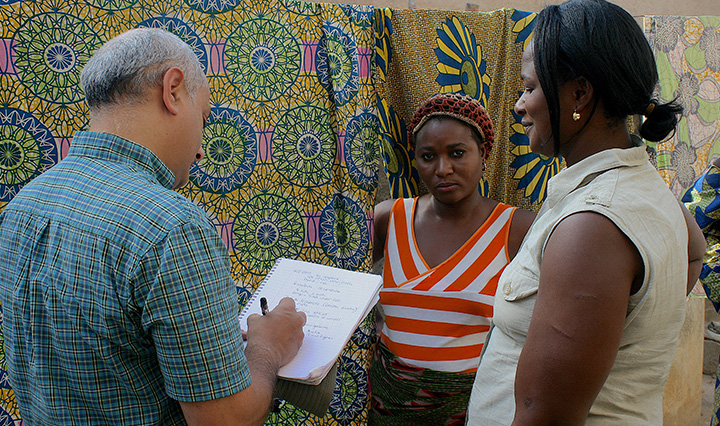
Looking back, my path into malaria elimination feels inevitable.
After surviving five serious road accidents – the last ending my previous career – I thought my journey was over. Then came a call from a journalist friend that changed everything. Malaria, he said, was resurging. Millions were dying, and the world was looking away.
He told me of an NGO seeking someone with knowledge of malaria with experience in media, research, and policy – someone who could bridge worlds and turn complex science into clear, urgent advocacy. He was describing me. And in that moment, I realised every setback and detour had prepared me for this purpose. What felt like an ending had become a redirection.
That call opened the door to malaria advocacy – a mission focused on mobilising resources, influencing policy, and advancing justice through equitable access to prevention and treatment. My goal was clear: to help ensure that the poorest and most marginalised are never left behind. Health is not a privilege; it is a fundamental right.
My mother had malaria while pregnant with me in Kenya. Growing up I witnessed the toll this disease took on families and entire communities – not only as an illness, but as a thief of potential and a driver of poverty and inequality. I saw children miss school, parents lose livelihoods, families grieve, and the whole health system buckle under its relentless weight.
I joined efforts to build the Roll Back Malaria Partnership, and later supported the Global Fund to Fight AIDS, Tuberculosis and Malaria. In 2006, at the Élysée Palace in Paris, I witnessed Presidents Jacques Chirac and Lula da Silva launch a visionary initiative – an airline tax to sustainably finance innovation in global health. It became Unitaid.
These partnerships – Roll Back Malaria, the Global Fund, Unitaid and others – reshaped how the world tackles disease. And for me, they reaffirmed something simple but profound: when we align purpose with compassion and genuine political will, remarkable things can happen.
My advocacy took me to hospitals and health centres across sub-Saharan Africa. The scenes were heartbreaking, I saw mothers and children three to a bed, others lying on the floor – a human carpet – waiting for treatment that cost less than a dollar.
Yet, amid the despair, I also witnessed miracles as new medicines, rapid diagnostic tests, and insecticide-treated bed nets began to save lives. Global cooperation turned the tide. Advocating for artemisinin-based combination therapies, now global policy, remains a critical milestone.
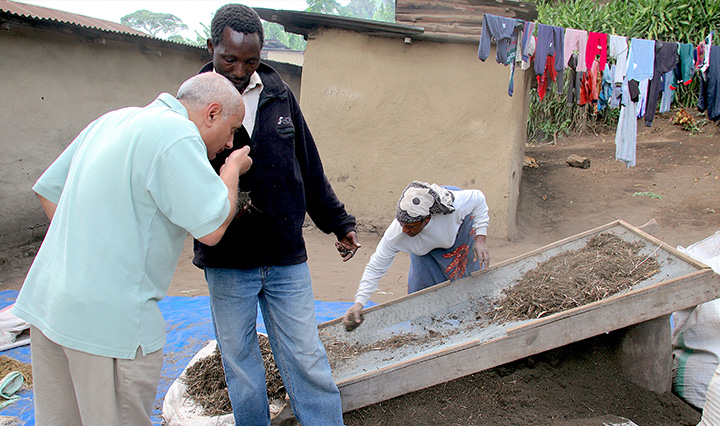
If I’ve learned one lesson over 25 years, it’s this: communities are not passive recipients of aid; they are engines of change.
Village health workers, mothers’ groups, church networks, and local activists know who needs help, and how to reach them. Their lived experience gives authenticity no policy brief can match.
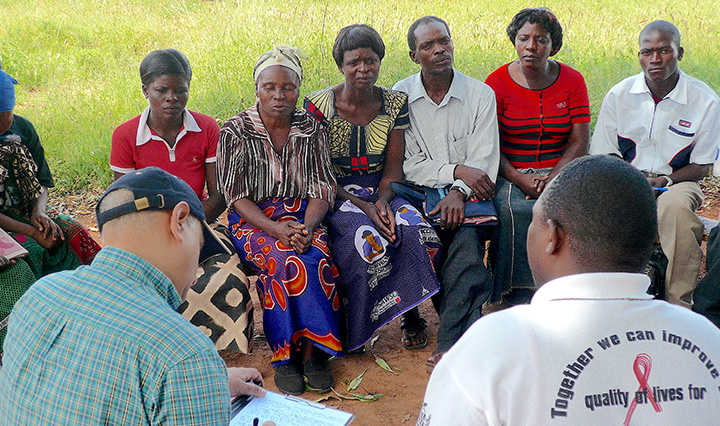
When empowered and resourced, communities move mountains. When ignored, progress stalls. Sustainable progress depends on trust, participation, and local ownership.
Unitaid embodies this spirit – ensuring innovation reaches everyone, everywhere, making equitable access the driver of success, not an afterthought.
Since those early days, malaria deaths have halved and several regions have eliminated the disease. These are extraordinary achievements worth celebrating. But we cannot rest.
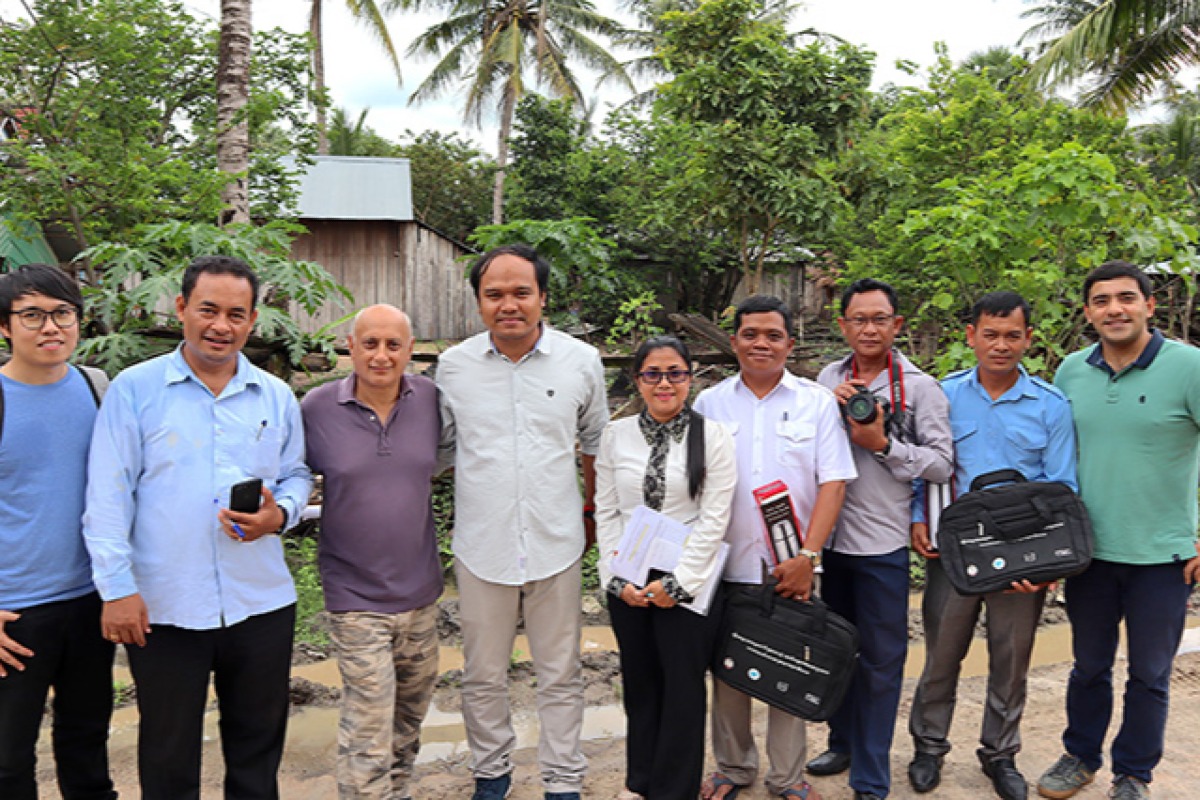
In Southeast Asia, where I worked on elimination efforts, a decade of hard-won progress rapidly vanished when conflict erupted in Myanmar. Supply chains collapsed and forced international partners to withdraw, leaving communities to fend for themselves as cases surged.
Across many regions, drug and insecticide resistance, funding shortfalls, and climate shocks now threaten to reverse decades of significant progress.
Complacency and a lack of genuine political will is our greatest danger.
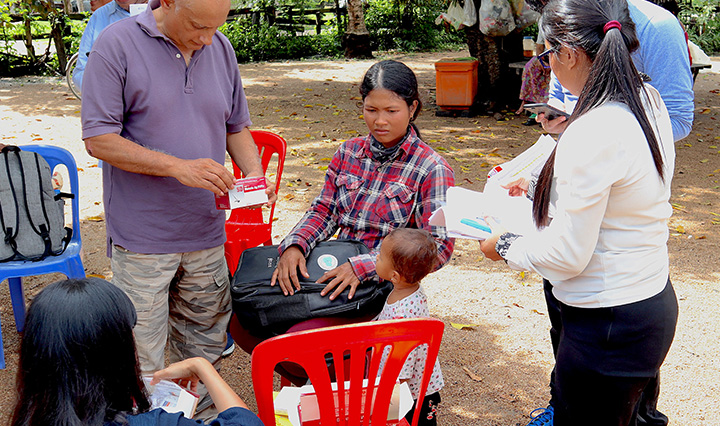
After nearly three decades, I remain convinced that ending malaria is within reach. We have the tools, the science, and the proof that progress is possible. What we need is the resolve — from stakeholders, governments, donors, and global institutions – to stand with communities and finish the job.
Malaria is preventable, treatable, and beatable. The only question is whether we have the courage to act – and to keep going.
We must not go backwards. A world where mothers and babies die for lack of a dollar’s treatment is not one we should ever accept.
Louis Da Gama is a global health advocate based in Portugal with more than 25 years of experience in malaria and community-led health responses. Louis currently serves as President of the Global health Advocates France board. He is Humanitarian Adviser to Yvonne Chaka Chaka, UNICEF and RBM GoodWill Ambassador and serves on the board of the Princess of Africa Foundation.
Your comment will be visible once approved by our moderators.
Comments (6)
Awesome work! Sadly the world with ‘leaders’ we have at present seems a very self centred/selfish place. When you have the chance to do something so good for so many people, it must be disheartening to not get support those who easily help out. I am really impressed with what you have achieved - who would have thought your career would have have led to this when we were at Cranbourne School! Well done, proud to call you a friend.
Congratulations Louis on a lifetime of dedication and service in the fight against Malaria. On world malaria day today, we are so proud if your unwavering commitment to saving lives and raising awareness that has made a lasting impact on global health. Keep up your amazing service in these difficult times. We pray for a Malaria free world and your continued dedication towards it. Cheers to a special relative.
We will win the malaria eradication challenge.
We participate for this Activities
This is well written and accurate. Job well done, Louis!
Louis, a life well lived, revealing the love of God in very practical ways. May you live to see your dream materialize.