



I was born in 1980 in what was then the Soviet Union. My teenage years unfolded in the mid-1990s, in newly independent Ukraine – a time of enormous upheaval. Parents were struggling just to feed their kids




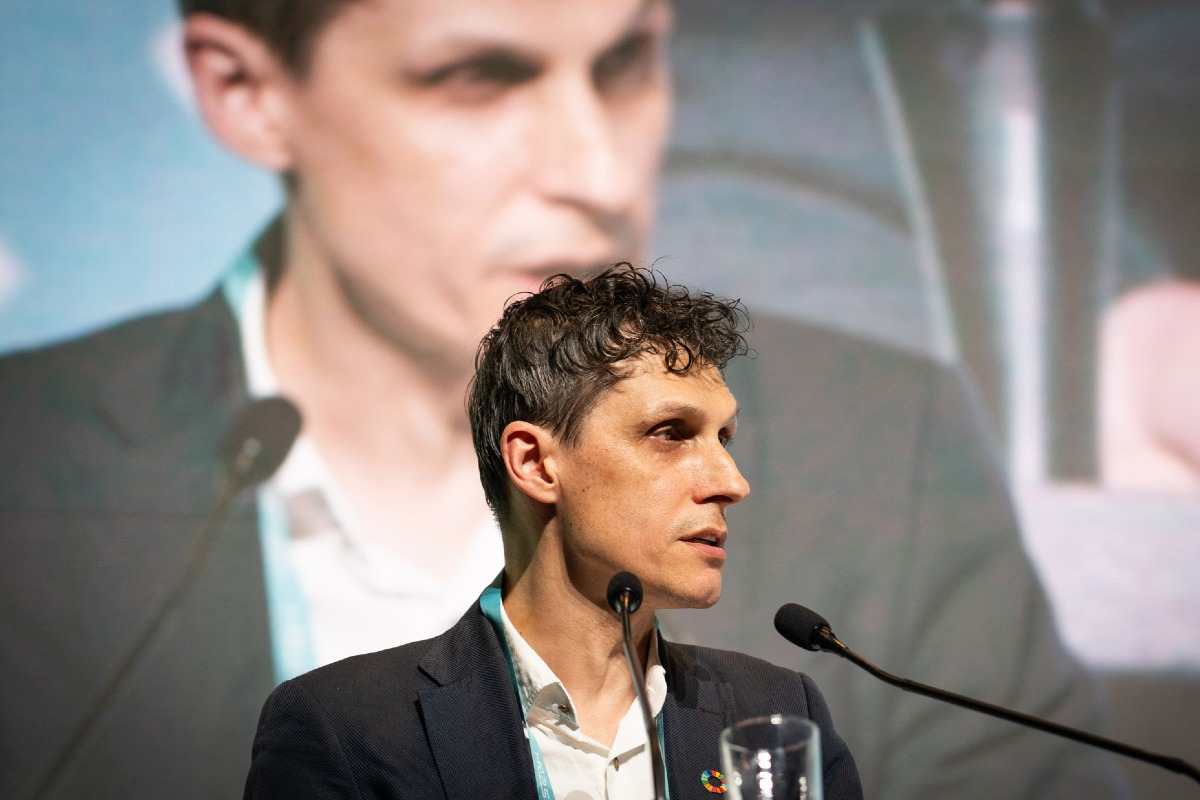
I was born in 1980 in what was then the Soviet Union. My teenage years unfolded in the mid-1990s, in newly independent Ukraine – a time of enormous upheaval. Parents were struggling just to feed their kids
When the Iron Curtain fell, the drug market opened and there was absolutely no information about risk, no harm reduction, nothing. Like many teenagers, I experimented. I was a DJ at the time – nightlife, music, amphetamines, ecstasy. When I tried heroin, dependence came fast and my life started to go down.
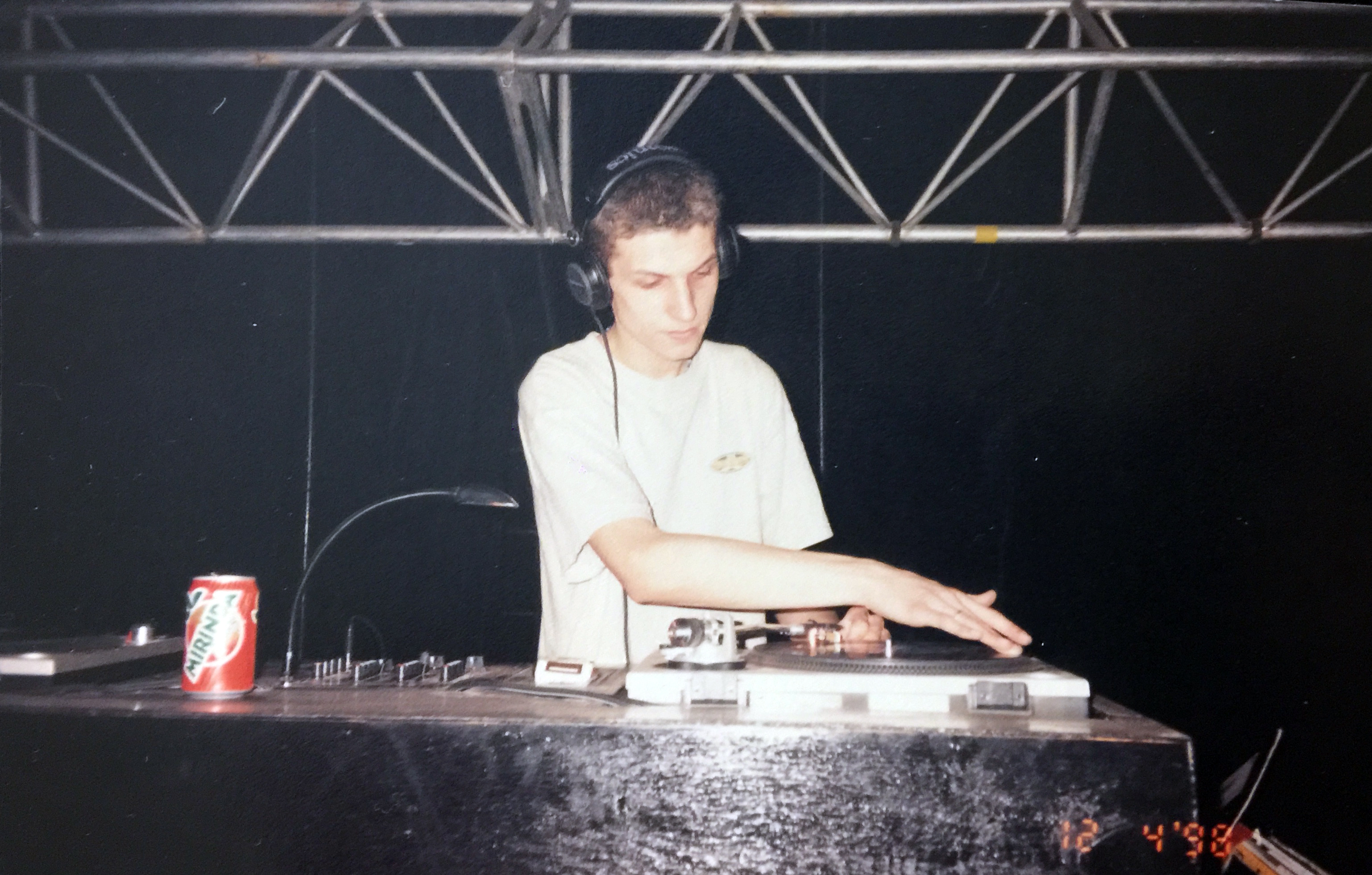
At that time, stigma was everywhere and support was nowhere. Pharmacists refused to sell clean syringes because they believed that, by doing so, they were “fighting drugs”. In reality, they were forcing people to reuse or share needles.
In 2002, a friend told me there were organizations in Kyiv giving out clean syringes for free. I was shocked that such places even existed. In 2003, through one of these harm reduction programmes run by outreach workers with lived experience like mine, I was tested and diagnosed with HIV and hepatitis C.
Back then, an HIV diagnosis felt like a death sentence. Treatment existed, but access was extremely limited. To qualify for antiretroviral therapy, you had to wait until your CD4 count dropped below 200 – until you were essentially dying. Many of us thought: if I’m going to die anyway, why stop using drugs? In the 2000s, this sounds like torture. But this was the reality.
In 2004, my life changed again. I became one of the first 30 people in Kyiv to access opioid agonist therapy. Thirty – in a country with an estimated 320,000 people who inject drugs! This didn’t just save my life. It defined everything that came after, both personally and professionally.
For the first time, stability became possible. I could think about the future. I could work and I could imagine contributing something meaningful. Over time, I realised that no matter how interesting or well-paid a job might be, commercial work gave me no real satisfaction. After everything I’d lived through, I needed my work to mean something bigger.
That is what led me fully into community and NGO work – focused on prevention, treatment, communities’ mobilisation and human rights – and eventually to my current role as Executive Director of the International Network of People who Use Drugs (INPUD).
INPUD is the only truly global network of people who use drugs. Not just in name, but in reality. We connect local, regional and global voices so communities are not isolated or spoken for. If governments, donors or global health organizations want to understand what people who use drugs actually need and think, INPUD is where they come.
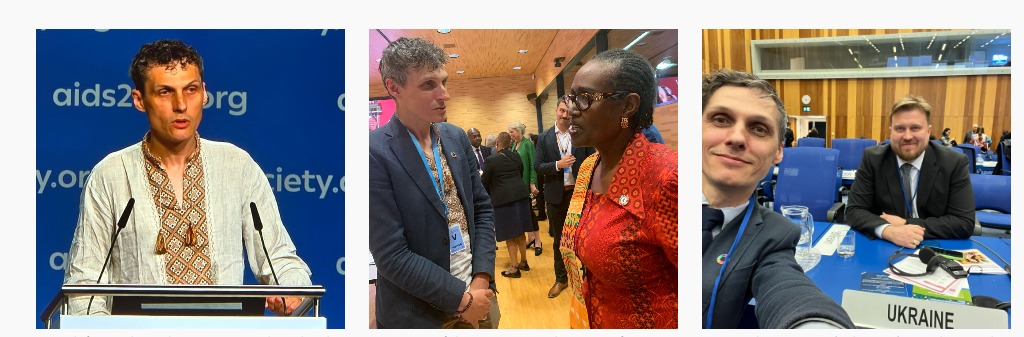
One issue that has long been neglected in this space is hepatitis. For decades, hepatitis C has been treated as the poor sister of HIV. Funding followed HIV – rightly, given the scale of the epidemic – but hepatitis C was left behind. Even today, much of the funding that exists is leftover funding, if anything is left.
We now often hear that hepatitis C is “easy to cure”. From a biomedical perspective, that may be true. From the perspective of people who use drugs, it’s anything but easy.
Access is the real problem. In theory, WHO guidelines are straightforward. In practice, people are pushed to pay for unnecessary tests or meet requirements that have nothing to do with health. The system is too complicated, too expensive and too slow. Many simply disappear along the way.
And here is the critical point: you cannot treat hepatitis C in isolation. Without harm reduction – including needle and syringe programmes and opioid agonist therapy – people won’t reach treatment, complete treatment, or avoid reinfection. I’m living proof of that.
This is why Unitaid’s increased focus on hepatitis C and on people who use drugs matters so much. For many years, global health institutions were disconnected from our communities. The hepatitis call for proposals in 2022 marked a real shift. It recognised that market shaping, access and innovation mean nothing if they’re not grounded in the realities of people’s lives.
What’s been particularly important is the move towards genuinely community-led research and implementation. This isn’t token consultation. Communities are involved from design to data collection, analysis and reporting. It leads to better data, more trust and stronger outcomes. It’s mutually beneficial – and long overdue.
This approach also shows up when systems are under pressure. When US funding was cut, Unitaid reallocated funds to prevent collapse in ten countries. That mattered – because continuity of harm reduction and hepatitis C services is not an abstract policy issue. It is the difference between people staying in care or disappearing altogether.
Harm reduction is often described as a technical and mostly prevention intervention. In reality, it’s a human rights approach. Harm reduction was the first place where no one judged me. I was listened to, offered tea, treated with dignity. Only after that could health care begin.
Over time, harm reduction became reduced to indicators and numbers. Those matter, of course. But human dignity must always come first. Without it, systems fail – and people die.
The biggest barrier people who use drugs face today is still criminalisation. Criminalisation creates stigma, fear, exclusion and violence. It pushes people away from health services and into the shadows. It undermines every effort to control HIV, hepatitis C and overdose.
I believe we’re at a historic moment. Around the world, there’s growing recognition that the global drug policy framework needs change and review. And the 68th UN Commission on Narcotic Drugs (CND) resolution adopted in March 2025 gives us that opportunity – perhaps a narrow one – to rethink global drug policy, to centre health, rights and evidence. This window stays for one more year but may not come again after.
I survived overdoses. I waited years for treatment. I lost jobs, friends and opportunities. If I’m still alive today, I believe it is for a reason. So, I’ll continue to fight for harm reduction, for hepatitis C elimination that includes everyone, and for the full decriminalisation of people who use drugs – to my last drop of blood.
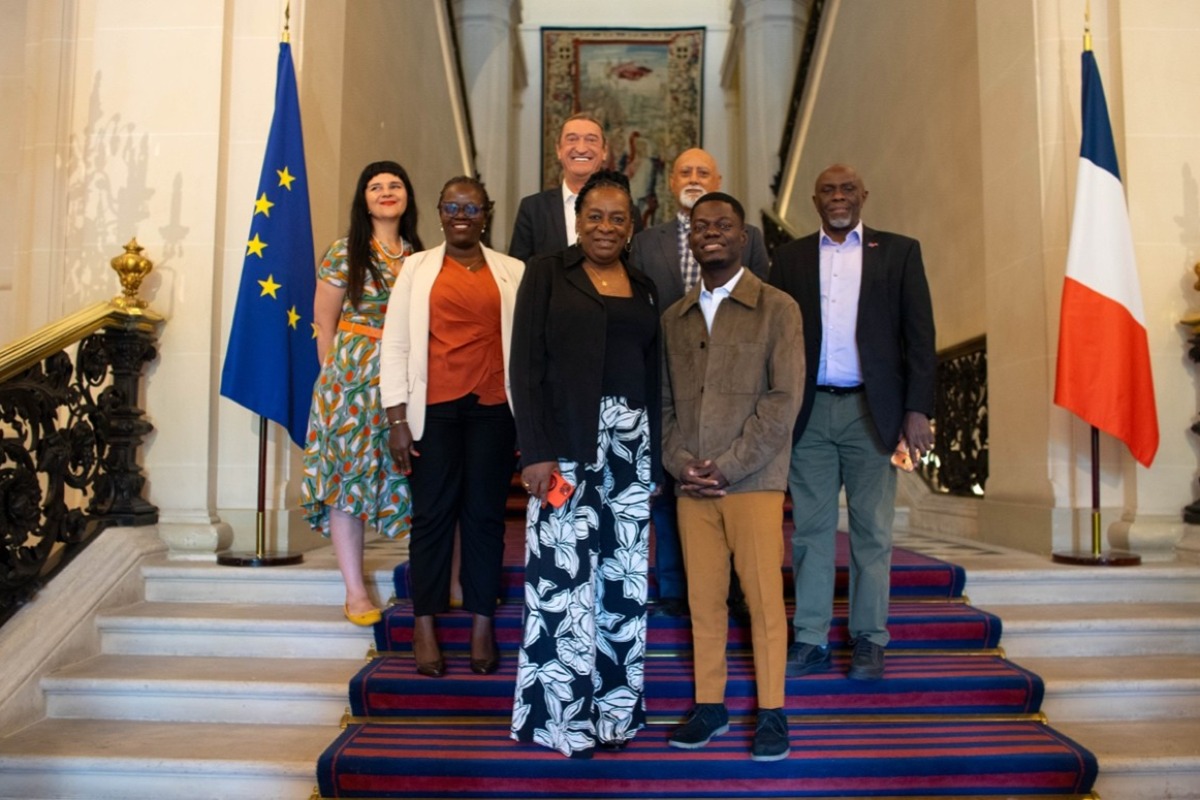
Communities Delegation at Unitaid's 50th Board meeting in Paris, July 2026: advocating for community...
Read More
South Africa launches an initiative to enable local production of lenacapavir, a long-acting HIV pre...
Read More
Unitaid is inviting proposals to accelerate cervical cancer elimination through secondary prevention...
Read More
Leave a Comment
Your comment will be visible once approved by our moderators.