



The Communities Delegation to the Unitaid Board, representing people living with the diseases, actively participated in the 48th Executive Board (EB48) meeting held in Tokyo, Japan, on 11–12 December 2025.




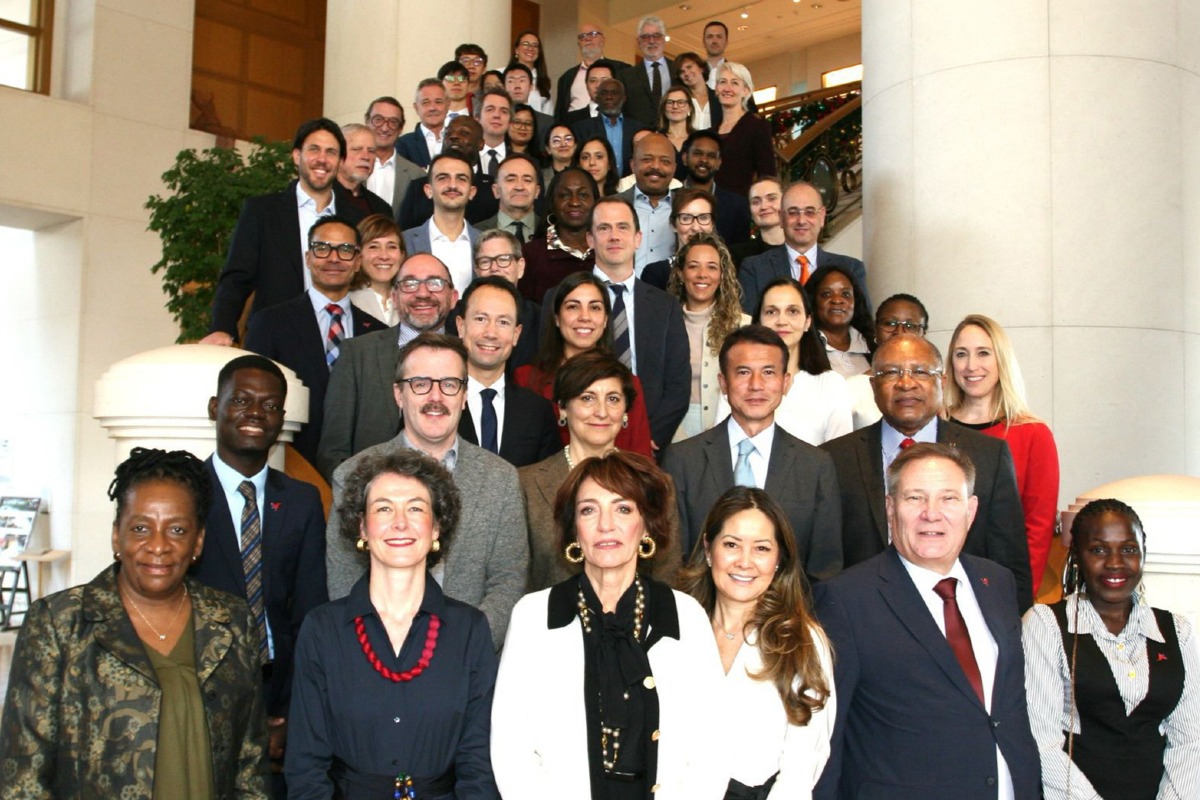
The Communities Delegation to the Unitaid Board, representing people living with the diseases, actively participated in the 48th Executive Board (EB48) meeting held in Tokyo, Japan, on 11–12 December 2025.
The two Board members, three Delegation members and the Liaison Officer held pre-meetings to discuss the agenda topics and support the Board members' interventions, ensuring the voices and perspectives of people living with and affected by the diseases were represented.
EB48 took place at a moment of heightened uncertainty in global health financing and shifting geopolitical priorities, making the voice of communities more essential than ever in shaping decisions that directly affect access to life-saving innovations.
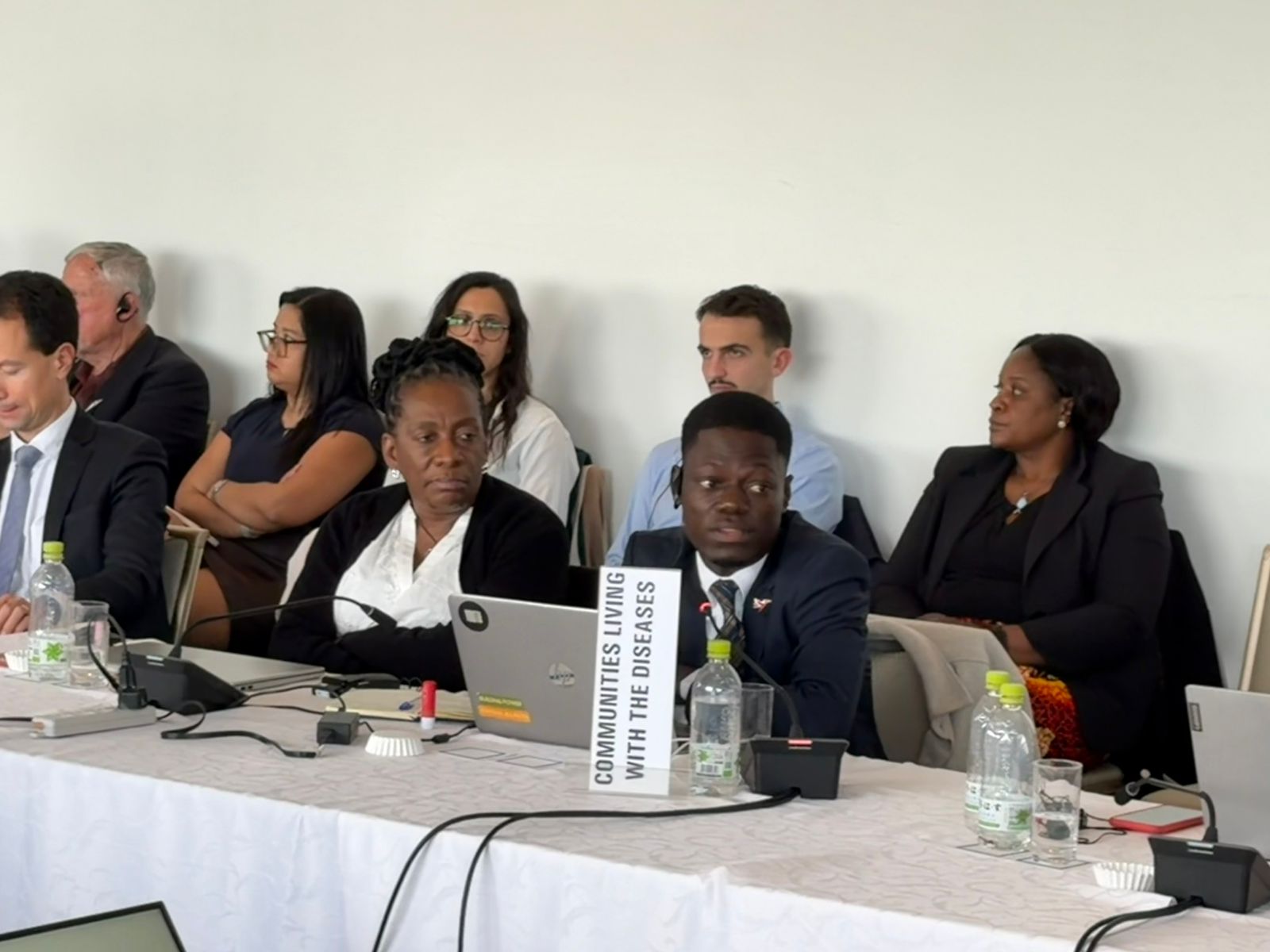
A central outcome of EB48 was the Board’s approval of the Communities and Civil Society Engagement (CCSE) approach. This is a milestone that reflects years of advocacy by the Communities and NGO delegations to ensure that engagement is not symbolic or episodic, but a structured and resourced part of Unitaid’s investment model. The Board endorsed the roll-out of two pilots to refine and operationalise CCSE in practice, including the upcoming Lenacapavir implementation project and a second pilot that will be selected early in 2026.
The delegation emphasised the importance of grounding CCSE in early engagement, particularly during the development of the areas for intervention (AFIs) and throughout the grant development processes, so that community expertise can shape design choices at the moment when they have the greatest impact on feasibility, acceptability, and equity. The delegation reiterated the need for dedicated resources and clear implementer accountability to ensure that the pilots generate meaningful evidence rather than reinforcing existing gaps.
The delegation also welcomed the Board’s decision to support additional funding for the Country Stakeholder Engagement (CSE) workstream, while maintaining a clear distinction between the government-focused CSE structures and the community-led focus of CCSE. Both approaches will evolve in parallel, each with distinct but complementary roles in strengthening country relevance.
The Mid-Term Review (MTR) provided an independent assessment by external consultants of Unitaid’s progress toward its 2023–2027 Strategy, recognising key achievements while identifying strategic gaps across the portfolio that need to be addressed to strengthen Unitaid’s catalytic impact. The Board’s discussion of the MTR further underscored the importance of this work.
The MTR confirmed persistent challenges around user acceptability, community engagement, and country responsiveness. The delegation welcomed the frank tone of the review and recognised its alignment with what Communities have long observed on the ground. When people most affected by the diseases are not engaged early, innovations risk being misunderstood, feared, or underutilised, even when they are technically sound. This has been seen in the varied reception of long-acting HIV prevention tools, where issues related to stigma, eligibility restrictions, and misinformation have emerged as significant barriers. The delegation highlighted that strengthening community involvement is not only a moral imperative but an operational necessity if Unitaid is to maintain its catalytic value in the global health ecosystem.
The delegation appreciated the Board’s endorsement of revisions to the Performance Management Framework as an interim measure, and we encouraged continued evolution of the Framework so that it captures real-world indicators such as acceptability, equity, and the readiness of investments for scale.
EB48 also marked an important moment of governance transition. The Communities Delegation warmly welcomed Ambassador Anne-Claire Amprou of France as the new Chair of the Executive Board. Ambassador Amprou has demonstrated strong leadership in her role as Chair of the Policy and Strategy Committee, and we look forward to continued collaboration marked by transparency, openness, and a deep appreciation of the value of community expertise.
The delegation also expressed its gratitude to Madame Marisol Touraine for her steady leadership and for the respect she consistently showed for the perspectives of communities throughout her tenure. In addition, the Board adopted a resolution extending the mandate of the Vice-Chair, Ambassador Cecília Kiku Ishitani of Brazil to ensure continuity during the upcoming review of the Board’s Operating Procedures, and renewed the membership and leadership of the Governance Working Group. The Delegation remains committed to contributing actively to governance reform processes, including discussions related to the selection procedures for the next Executive Director and the development of Unitaid’s next strategy.
Another significant highlight of the week was the civil society partnership event convened in advance of EB48 with Japanese organisations working on universal health coverage, HIV, and broader global health priorities. This gathering provided a valuable platform to strengthen ties between community networks in Japan and global civil society, and to situate Unitaid’s work within the wider conversations on equity and resource mobilisation. The event underscored shared concerns around declining development assistance, growing inequities across regions, and the need to protect and expand access to innovation in an era of geopolitical turbulence. Discussions reflected a clear message: community leadership is indispensable to the success of global health initiatives, and collaboration across regions is essential. The delegation is grateful to the Japanese partners for their hospitality and commitment to advancing people-centered approaches to global health.
The Communities Delegation welcomes the outcomes of EB48 and was encouraged by the level of engagement shown by all constituencies and the recognition of the unique expertise that communities bring to Unitaid’s mission. Across agenda items — from the Mid-Term Review and the revised Performance Management Framework to discussions on Next Generation Financing, investment prioritisation, and governance — the role of communities was consistently acknowledged as central to ensuring that Unitaid’s work remains relevant, effective, and equitable. As the organisation prepares for its next strategy cycle and its 20th anniversary in 2026, the Delegation remains committed to working collaboratively with all constituencies to ensure that Unitaid remains a leader in transforming innovations into real impact for the people who need them most.
The next Executive Board meeting will take place on 2-3 July 2026 in Paris, France.
December 2025
----
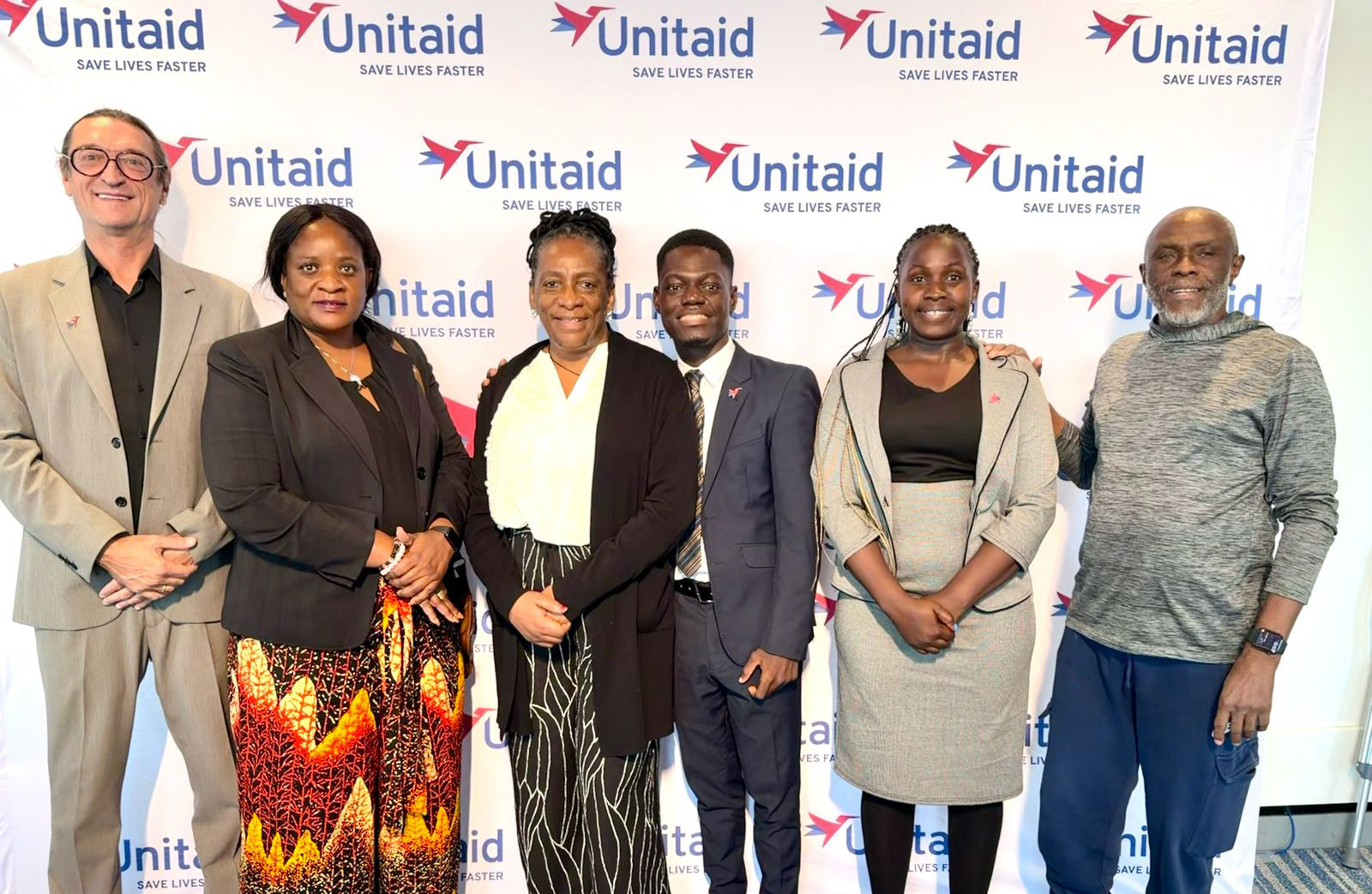
The Communities Delegation to the Unitaid Board represents people living with HIV and/or lived experience of diseases within Unitaid's areas of intervention. The Delegation has the goal of representing the views, voices, needs and interests of Communities living with the diseases at Unitaid Board and Committee level. It aims to be transparent, accountable and to prepare communities to engage in Unitaid’s work areas that directly affect those living with the diseases at grassroots and country level, especially in the global south.
The Communities Delegation to the Unitaid Board is hosted by the South African office of the Global Network of People living with HIV (GNP+). For more information, please contact Wim Vandevelde, Liaison Officer of the Communities Delegation, at wvandevelde@gnpplus.net

Unitaid welcomes African manufacturing investment for alimatravir but urges Merck to expand its 129-...
Read More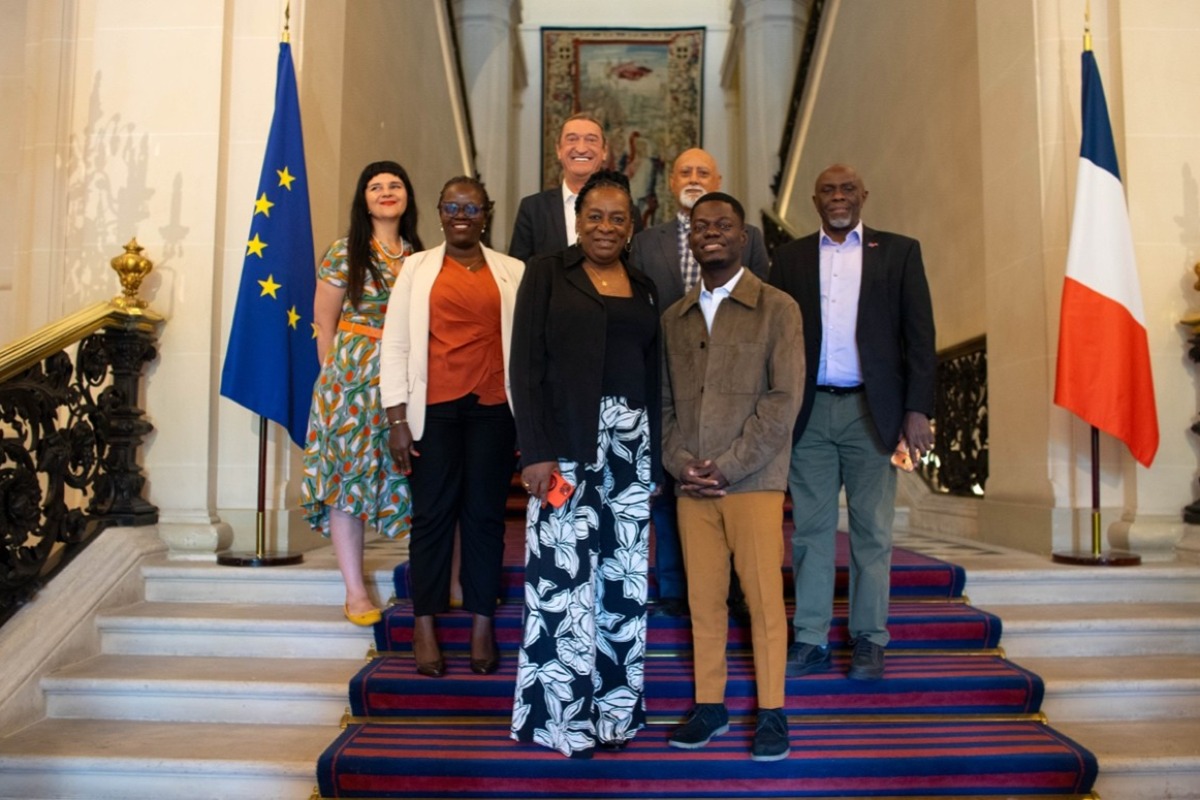
Communities Delegation at Unitaid's 50th Board meeting in Paris, July 2026: advocating for community...
Read More
Advocate Anton Basenko shares his journey with drug use, HIV and hepatitis C, and makes the case for...
Read More
Leave a Comment
Your comment will be visible once approved by our moderators.